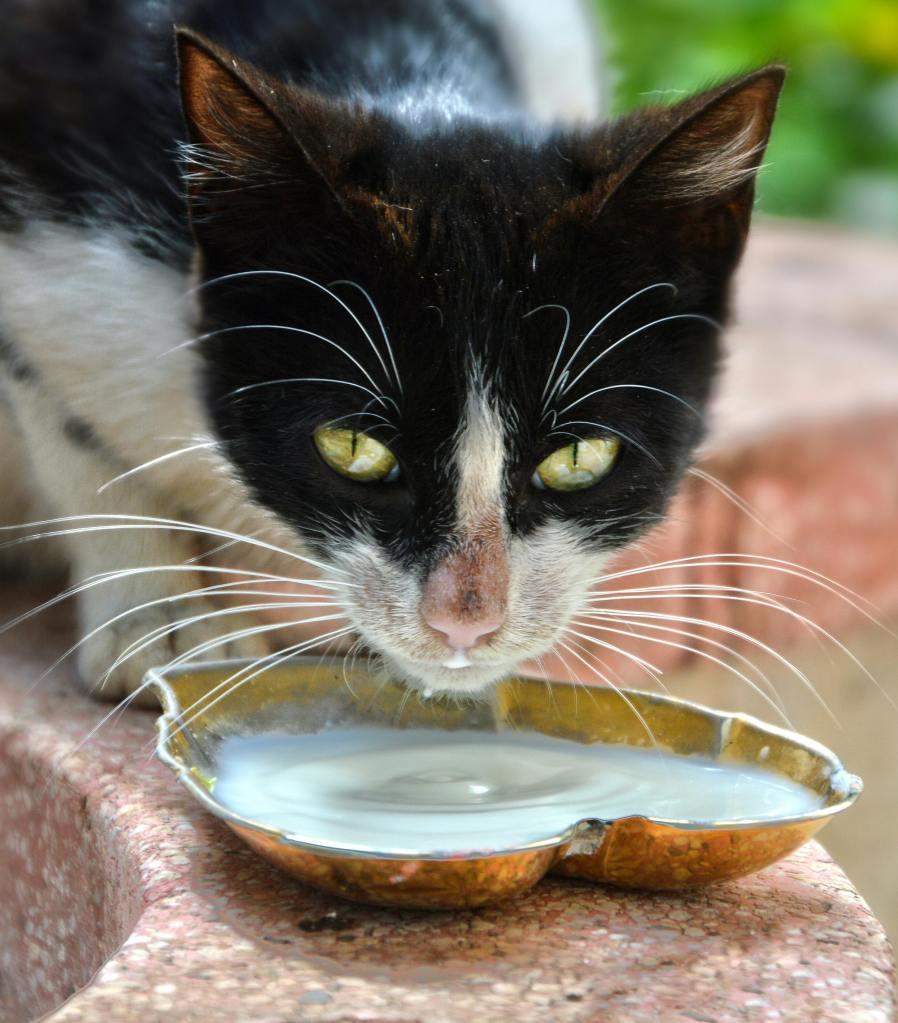
Cats and milk have long been paired in popular culture. From cartoons to memes, it’s common to picture a cat lapping up a saucer of creamy milk. Many cat owners assume it’s a harmless treat or even a traditional part of feline diets. But the truth is far more complex. While milk might look delicious and appealing to cats, it’s generally not good for them, and giving it regularly can lead to digestive problems and other health issues.
Understanding why cats shouldn’t drink milk requires looking at their biology, digestive system, and natural diet. It also helps to explore safer alternatives and ways to keep your cat happy and healthy without risking tummy troubles.
Why Cats Are Drawn to Milk
Milk smells and tastes appealing to many cats. It’s rich in fat and protein, which are naturally attractive to carnivores. Historically, cats have scavenged small amounts of milk or cream in agricultural settings, which may contribute to their curiosity.
Kittens drink their mother’s milk for the first few weeks of life, which creates an early association between milk and nourishment. Some adult cats retain the taste preference even after they are weaned, which is why they may enthusiastically lap up cow’s milk if offered.
Despite this attraction, the appeal does not mean milk is healthy for adult cats. Unlike kittens nursing from their mother, adult cats lack the necessary enzymes to properly digest lactose, the sugar found in cow’s milk.
The Science Behind Lactose Intolerance in Cats
Lactose intolerance occurs when an animal cannot fully digest lactose due to insufficient lactase, the enzyme that breaks it down. Most adult cats produce very little lactase, which makes cow’s milk difficult for them to process.
When a lactose-intolerant cat drinks milk, the undigested sugar moves into the intestines, where bacteria ferment it. This can cause symptoms such as:
- Diarrhea
- Gas
- Stomach cramps
- Upset stomach
In some cases, repeated exposure can lead to dehydration and nutrient imbalances if diarrhea persists. Even a small amount of milk can trigger digestive issues in particularly sensitive cats.
Myth vs. Reality: Milk Isn’t a Nutritional Necessity
Another common misconception is that milk is an essential part of a cat’s diet. In reality, adult cats are obligate carnivores, which means their nutritional needs are met primarily through animal proteins and fats. They do not require milk once they are weaned from their mother.
In fact, offering milk instead of balanced meals can actually displace essential nutrients, especially if it becomes a regular treat. Feeding milk should never replace high-quality commercial cat food or a veterinarian-approved homemade diet.
Occasional Milk Treats: Still Risky
Some cat owners give milk as a rare treat, thinking “a little won’t hurt.” While occasional, tiny amounts might not always cause serious problems, there is no guarantee. Even a small amount can trigger stomach upset in lactose-intolerant cats.
Additionally, flavoured or sweetened milks—like chocolate milk or sugary creamers—are dangerous for cats. Chocolate contains theobromine, which is toxic to cats, and sugar can contribute to obesity, diabetes, and other health issues.
Safe Alternatives to Cow’s Milk for Cats
If you want to offer a milky treat for your cat without risking digestive upset, there are better options:
- Lactose-free milk for cats: Some pet stores sell specially formulated milk that is lactose-free and safe for felines. These products are low in fat and designed to be easily digestible.
- Kitten formula: For kittens or orphaned cats, veterinarian-approved kitten formulas are nutritionally balanced and safe.
- Small amounts of plain yogurt: Some cats tolerate small portions of plain, unsweetened yogurt, which contains probiotics. However, this should still be given sparingly.
- Broth or wet food treats: Offering low-sodium chicken or beef broth or mixing a little wet food into treats can satisfy your cat’s curiosity without causing harm.
How to Introduce New Treats Safely
When trying any new food or treat, including lactose-free milk, introduce it gradually. Start with a teaspoon-sized portion and watch for any digestive upset over 24 hours. If your cat tolerates it well, you can continue occasionally, but milk should remain a treat, not a dietary staple.
Observing your cat’s reaction is key. Each cat is unique: some are completely intolerant to lactose, while a few may tolerate small amounts. Even so, offering milk regularly is never recommended.
Final Thoughts
So, should cats drink milk? The short answer is no. Adult cats lack the necessary enzyme to digest lactose properly, making cow’s milk more likely to cause digestive upset than provide nutrition. Milk is not part of a natural feline diet, and there are safer, tastier ways to treat your cat.
Understanding your cat’s biology and instincts ensures that your pet remains happy, healthy, and free from unnecessary digestive distress.
Cats may continue to look at a saucer of milk with longing, but now you know: a loving owner keeps milk for themselves and offers safer ways to indulge their feline friend.
 Life in Paws