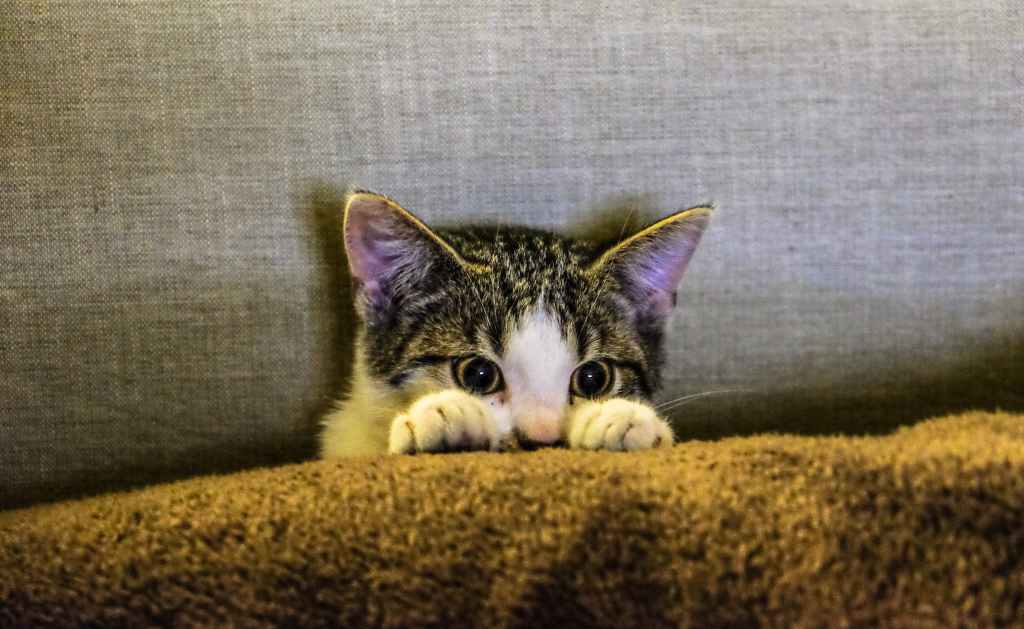
Cats are known for their mysterious and subtle communication. Understanding their body language can provide invaluable insights into their emotions and intentions. Let’s explore the secrets behind your cat’s gestures and postures:
Bonding Behaviors
Grooming, head-butting, and rubbing against objects or people are bonding behaviors in the feline world. These actions are not only about cleanliness but also about sharing scents and expressing affection and familiarity.
Tail Talk
A cat’s tail is a crucial indicator of their mood. A relaxed and gently swaying tail often signifies contentment, while a puffed-up tail indicates fear or agitation. Pay attention to the speed and movement of the tail, as a rapidly flicking tail might indicate irritation or overstimulation.
Ears and Expressions
The position of a cat’s ears can convey a wealth of information. Forward-facing ears signal curiosity or interest, while flattened ears indicate fear, aggression, or discomfort. Meanwhile, dilated pupils can suggest excitement or stress, while slow-blinking eyes are a sign of trust and affection in cat language.
Paws
A cat’s paws can reveal their comfort level. Kneading or “making biscuits” often showcases contentment and relaxation, reminiscent of kittenhood when they nursed from their mother. Paws tucked underneath the body while resting indicate a sense of security, while exposed paws might denote readiness or playfulness.
Postures and Positions
A cat standing tall with their back arched might signal aggression or defensiveness, while a relaxed, stretched-out position usually indicates comfort and confidence. Crouching close to the ground might suggest readiness for play or hunting.
Vocal Cues
While cats are generally known for their quieter nature compared to dogs, they do communicate vocally. Pay attention to different meows, purrs, chirps, and growls, as each vocalization might convey specific needs or emotions, such as hunger, affection, or distress.
Understanding your cat’s body language takes time and observation. Each cat has its own unique personality and communication style. By familiarizing yourself with some of the basics above, you can anticipate your kitty’s needs and create an enriching environment that nurtures their well-being.
 Life in Paws