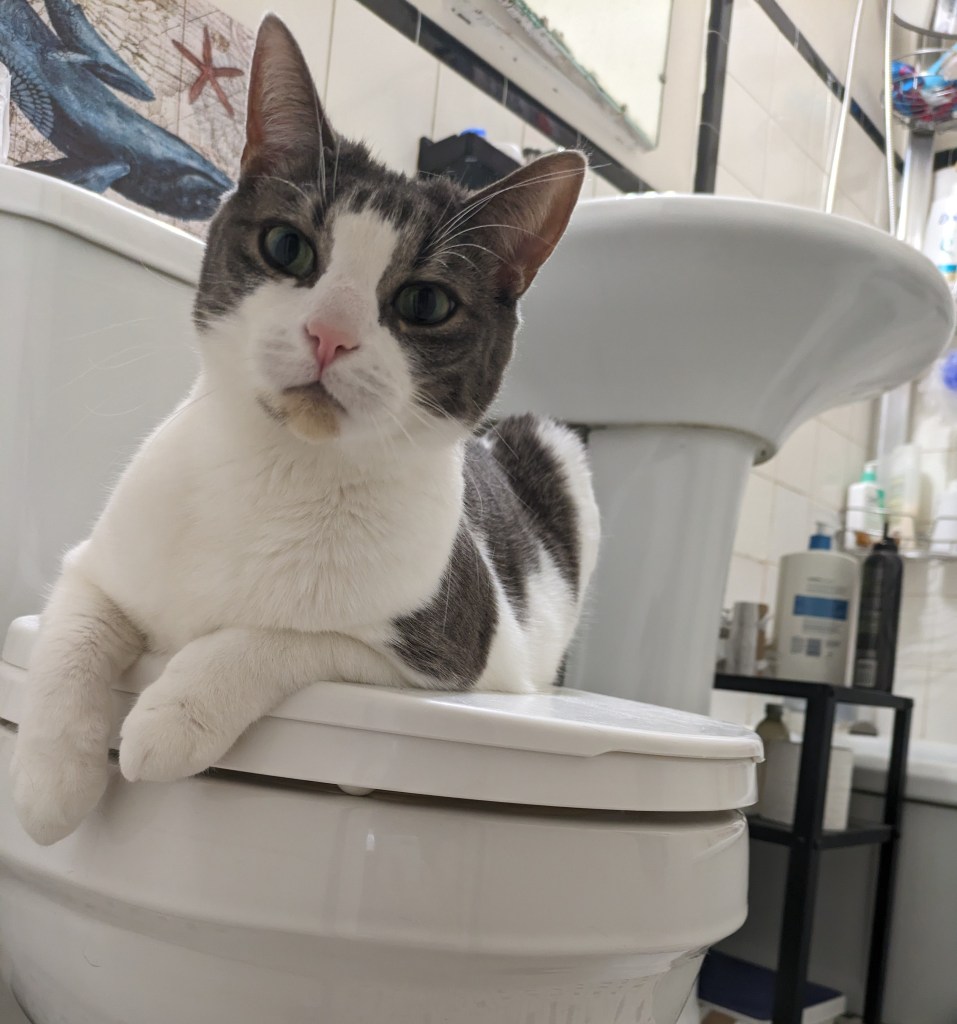
When it comes to their bathroom habits, cats can be quite particular. Selecting the right litter box is essential to ensure your feline friend feels comfortable and maintains good hygiene. With a plethora of options available, it can be overwhelming to choose. Here’s a guide to help you find the perfect litter box for your cat.
Number of Cats and Boxes
The general rule is to have one litter box per cat plus an extra. Multiple cats often mean territorial issues, and having enough litter boxes scattered in different areas of your home can prevent conflicts and encourage good litter box habits.
Litter Box Types
Understanding your cat’s preferences is key. Some cats prefer covered litter boxes for privacy, while others may feel confined and prefer open ones. Additionally, the size of your cat matters—larger cats might need more spacious boxes to move comfortably.
Open Litter Boxes: These are basic trays that provide easy access for cats. They’re generally preferred by cats who dislike feeling confined or trapped.
Covered Litter Boxes: Enclosed options offer privacy and can contain odors better. However, they might need more frequent cleaning to prevent odors from building up.
Top-Entry Litter Boxes: These have a lid on top, forcing the cat to enter through a hole. They help contain litter scatter and are excellent for preventing dogs from accessing the litter.
Self-Cleaning Litter Boxes: These automated options scoop the waste for you. While convenient, some cats might be startled by the noise, and the maintenance of the mechanism is crucial.
Size and Depth Matter
Cats like to move around and dig before doing their business. Ensure the litter box is large enough for your cat to comfortably turn around and scratch the litter. Aim for a depth of at least two inches of litter.
Litter Box Material
Most litter boxes are made of plastic, but consider the quality of the plastic used. High-quality, sturdy materials are durable and easier to clean, resisting odors and stains. Look for litter boxes designed with odor-control features like carbon filters or antimicrobial surfaces. These can help manage and minimize unpleasant smells (this one for example has a non-stick coating).
Entry Accessibility
For older cats or kittens, consider lower entry litter boxes. Cats with mobility issues might struggle with high-sided boxes, so opting for a lower entry point can ease their access.
Easy Cleaning and Maintenance
A litter box that is easy to clean will make both your life and your cat’s more comfortable. Removable liners, easy-to-remove lids (for covered boxes), and smooth surfaces are beneficial for hassle-free cleaning.
Location Matters
Place the litter box in a quiet and easily accessible area. Cats prefer privacy, so avoid high-traffic spots. Additionally, keep the litter box away from food and water bowls to prevent any aversion to the area.
Transitioning Tips
When switching litter boxes, do it gradually by placing the new one next to the old one. Cats can be sensitive to change, so a slow transition helps them adjust without stress.
Final Thoughts
A thoughtful approach to selecting a litter box can make a significant difference in your cat’s life. By considering your cat’s needs and preferences, you’ll be able to create a comfortable and inviting bathroom space that encourages good litter box habits and maintains a clean environment for both you and your beloved pet.
 Life in Paws