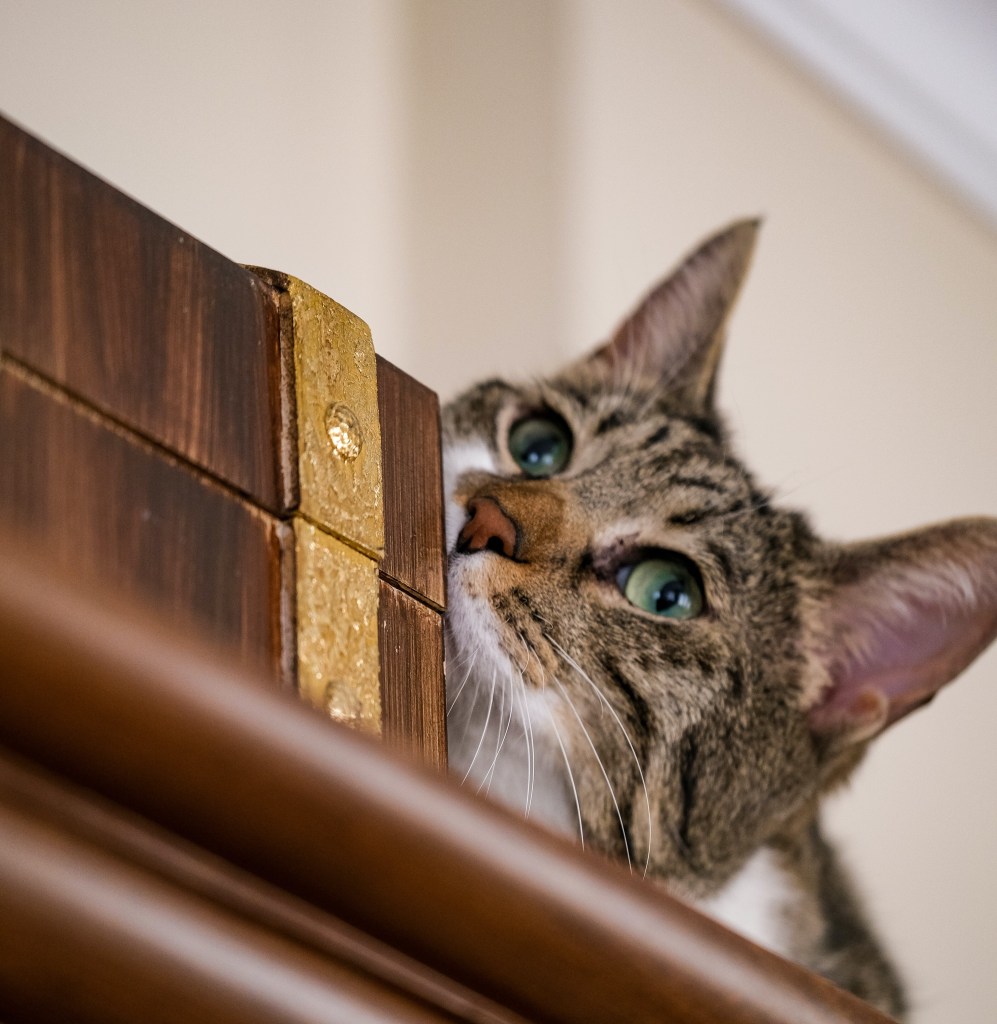
Cats possess a unique sensory organ that contributes significantly to their communication and perception of the world—the vomeronasal organ (VNO), also known as the Jacobson’s organ. Nestled within the nasal cavity, this small but remarkable structure plays a pivotal role in a cat’s sensory perception and social interactions.
Understanding the Vomeronasal Organ:
The VNO is a specialized structure located in the roof of a cat’s mouth, just above the palate, and connected to the nasal passages. It consists of sensory cells and receptors specifically designed to detect and analyze chemical signals in the form of pheromones—chemical messengers emitted by other animals, especially cats.
Sensory Function and Pheromone Detection:
The VNO’s primary function is to detect and analyze pheromones, which carry vital information about other cats, their reproductive status, territorial markers, and emotional states. When a cat encounters pheromones through scent markings, urine, or other secretions, they use their VNO to process this information.
Feline Communication and Behavior:
The VNO plays a crucial role in feline communication. Cats utilize pheromones to convey messages, establish territories, attract mates, and express various emotional states such as fear, contentment, or distress. When a cat exhibits the flehmen response—curling back their lips and opening their mouth after sniffing or encountering a scent—it’s a sign they’re utilizing their VNO to process the detected pheromones.
Reproductive and Social Significance:
The VNO is particularly active and influential during mating behaviors. Female cats emit specific pheromones signaling their receptivity to males, triggering a response in the VNO that helps males identify this signal, leading to mating behavior.
Vomeronasal Organ and Behavior Modification:
Understanding a cat’s VNO has led to the development of synthetic pheromones that mimic natural feline pheromones. These synthetic pheromones, available as diffusers, sprays, or collars, can help alleviate stress, anxiety, and unwanted behaviors in cats by providing calming signals that affect the VNO’s sensory perception.
Ongoing Research and Discoveries:
Scientists continue to delve into the complexities of the VNO’s functioning and its role in feline behavior. Ongoing research explores how pheromones and the VNO impact various aspects of a cat’s life, from social interactions to stress management and even health-related behaviors.
Final Thoughts:
The vomeronasal organ stands as a testament to the intricacies of feline sensory perception. Its ability to detect and interpret pheromonal messages contributes significantly to a cat’s communication, social interactions, and behavioral responses. Understanding the significance of this remarkable organ sheds light on the mysterious and captivating world of your adorable living furballs!
 Life in Paws