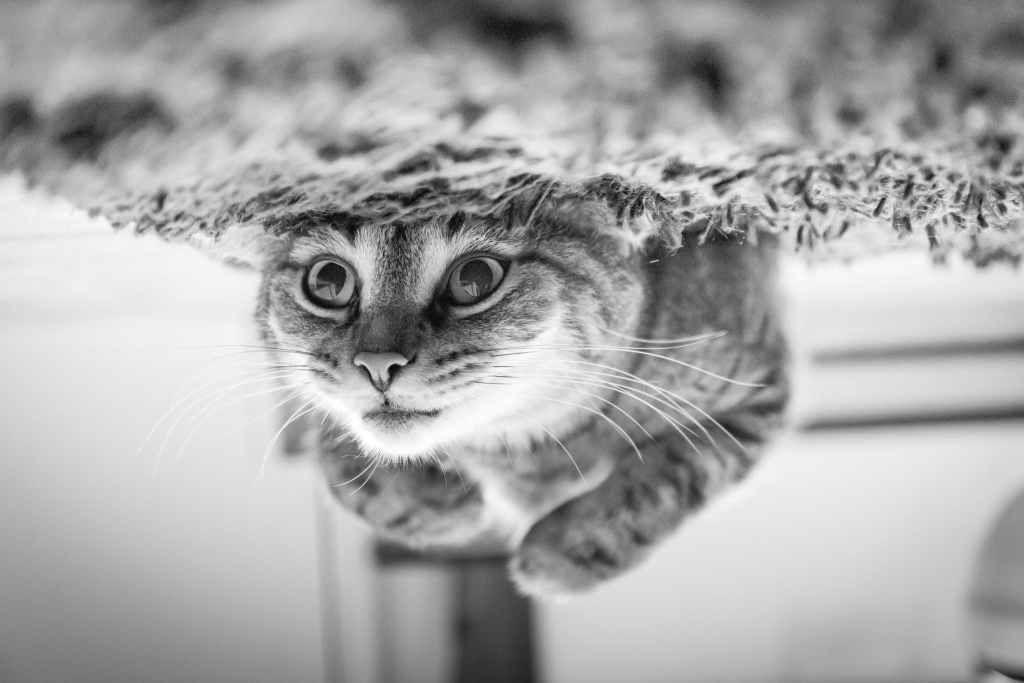
Cat fur is more than just a defining feline feature; it serves various purposes and comes in a stunning array of textures and colors. Understanding the intricacies of cat fur is key to proper care and appreciation for these furry creatures.
Types of Cat Fur
Cats exhibit diverse fur types, each with its own unique characteristics. There are primarily four types:
- Short Fur: Cats with short fur, like the American Shorthair or Siamese breeds, have a sleek, close-lying coat that requires minimal grooming. Short fur offers ease of maintenance and sheds less compared to longer-haired counterparts.
- Long Fur: Breeds like the Persian or Maine Coon boast luxurious, long fur that often requires frequent grooming to prevent matting and tangling. Their impressive coats offer insulation and protection but demand more extensive care.
- Medium Fur: Some cats, like the Ragdoll or British Shorthair, possess medium-length fur that strikes a balance between short and long coats. Their fur is manageable but may still require regular grooming to prevent knots.
- Hairless: Contrary to popular belief, hairless cats, such as the Sphynx breed, aren’t entirely hairless; they have a fine layer of downy fur or a very short coat that feels like suede. Despite their minimal fur, they require skincare to maintain their skin’s health.
Fur Characteristics
Cat fur isn’t just about length; it varies in texture, color, and pattern, contributing to a cat’s unique appearance. Fur textures range from silky and soft to coarse and dense, depending on the breed. Some cats have double coats with an insulating undercoat beneath the protective outer layer.
Fur colors and patterns too are diverse, showcasing solid hues, tabby stripes, tortoiseshell, calico, and more. Additionally, some cats exhibit fascinating features like points (darker coloration on the ears, face, paws, and tail), bi-color coats, or color points on specific body parts.
Functions of Cat Fur
Beyond aesthetics, cat fur serves obvious essential functions. It acts as insulation, keeping cats warm in cold weather and protecting their skin from the sun’s harmful effects. The fur also aids in sensory perception, especially in the whiskers, which are highly sensitive and help cats navigate their environment.
Caring for Cat Fur
Proper grooming is vital for maintaining a cat’s fur health. Regular brushing helps remove loose fur, prevents matting, and reduces hairballs. Cats, especially long-haired breeds, benefit from grooming tools like slicker brushes or combs designed for their specific fur type (we recommend this brush).
Bathing cats is occasionally necessary, particularly for breeds prone to oiliness or skin conditions. However, excessive bathing can strip natural oils from their fur and should be done sparingly.
Diet also impacts fur health. A balanced diet rich in essential fatty acids supports a cat’s coat condition, promoting a healthy, shiny fur.
Cat fur is a marvel of nature and we hope this article offers an understanding of its nuances. Proper grooming and care will ensure our feline friends flaunt their coats at their best while staying healthy and comfortable in their own fur.
 Life in Paws