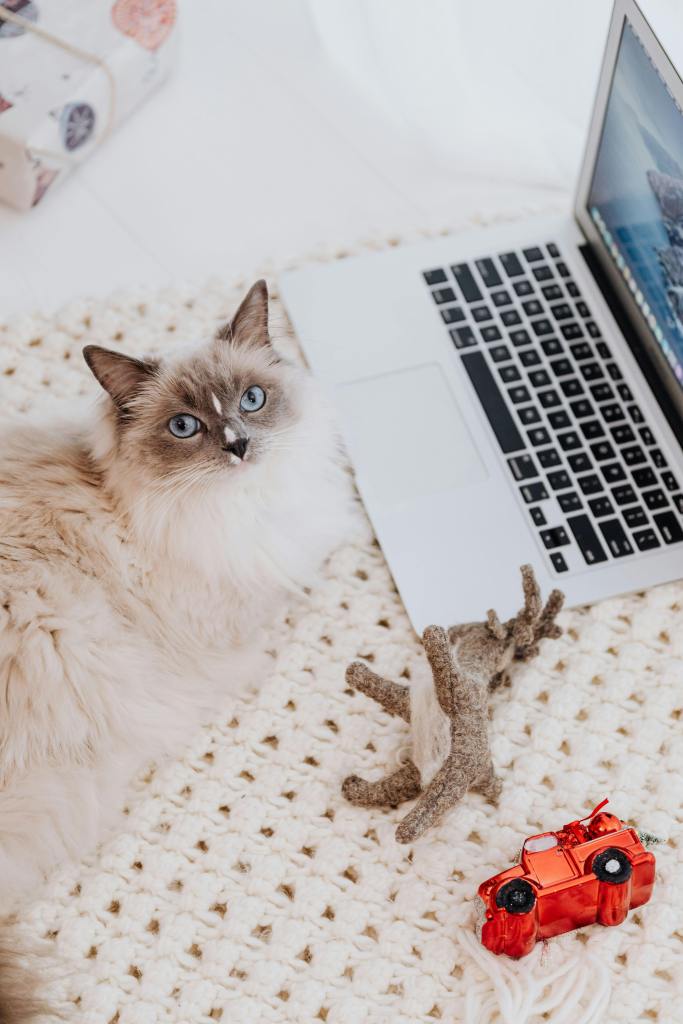
Artificial Intelligence (AI) is rapidly transforming our world, from healthcare to transportation and entertainment. While AI may seem far removed from the lives of our feline companions, it is gradually influencing the way we care for, interact with, and understand domestic cats. In this article, we’ll explore how AI might impact domestic cats and the ways in which technology can enhance their well-being.
Health Monitoring:
AI-powered devices can assist cat owners in monitoring their pets’ health. Smart collars and cameras equipped with AI can track a cat’s activity levels, feeding habits, and even detect unusual behavior. These insights can help detect potential health issues early and provide a more comprehensive picture of a cat’s well-being.
Automated Feeding Systems:
AI-controlled automated feeding systems are becoming more sophisticated. These systems can dispense food at specific times, monitor feeding behavior, and even tailor portion sizes based on a cat’s weight and dietary requirements. This can help prevent overeating and obesity, common issues in domestic cats.
Behavior Analysis:
AI can analyze cat behavior by processing data from smart cameras and sensors. It can identify patterns in a cat’s activity, such as their favorite sleeping spots, playtimes, and even changes in behavior that might indicate stress or illness. This information can be invaluable for cat owners and veterinarians in providing better care.
AI-Powered Toys and Enrichment:
Interactive cat toys driven by AI can keep cats mentally and physically engaged when their owners are away. These toys can mimic prey animals, making playtime more stimulating for cats and preventing boredom, which can lead to destructive behavior.
Potential Language Translation:
While this concept may sound like science fiction, some research is exploring the possibility of AI-driven devices that can interpret cat vocalizations and body language, helping humans better understand their pets’ needs and emotions.
Virtual Veterinarian Consultations:
AI-driven telehealth platforms are making it easier for cat owners to access veterinary advice remotely. They can receive guidance on common issues or concerns, potentially reducing the need for in-person vet visits.
Automated Litter Box Management:
Self-cleaning litter boxes, often enhanced with AI, can make the task of maintaining a clean environment for your cat more convenient. These devices can detect when a cat has used the box and automatically scoop and replace the litter.
AI-Assisted Adoption and Shelter Care:
AI is also impacting the welfare of cats in shelters. Some organizations are using AI to improve the adoption process, matching cats with prospective owners based on their compatibility. Additionally, AI can help shelters monitor the well-being of cats in their care by identifying potential health issues early.
Pet Safety and Tracking:
AI-based pet trackers can help locate a lost cat, ensuring their safe return. These devices use GPS and other technologies to keep tabs on your cat’s whereabouts, providing peace of mind for concerned owners.
Advancements in Feline Healthcare:
AI is advancing diagnostics and treatment in veterinary medicine, potentially benefiting domestic cats. From AI-assisted radiology for more accurate diagnoses to personalized treatment plans based on an individual cat’s medical history, AI is pushing the boundaries of feline healthcare.
While AI’s impact on domestic cats is still in its early stages, it holds tremendous potential for enhancing the well-being of our feline friends and making pet ownership more rewarding. However, it’s essential to strike a balance between technology and genuine human interaction. Cats thrive on social bonds, and AI should complement, not replace, the love and care that cat owners provide. As AI continues to evolve, it’s an exciting time for cat lovers, offering new ways to understand and care for our beloved companions.
 Life in Paws