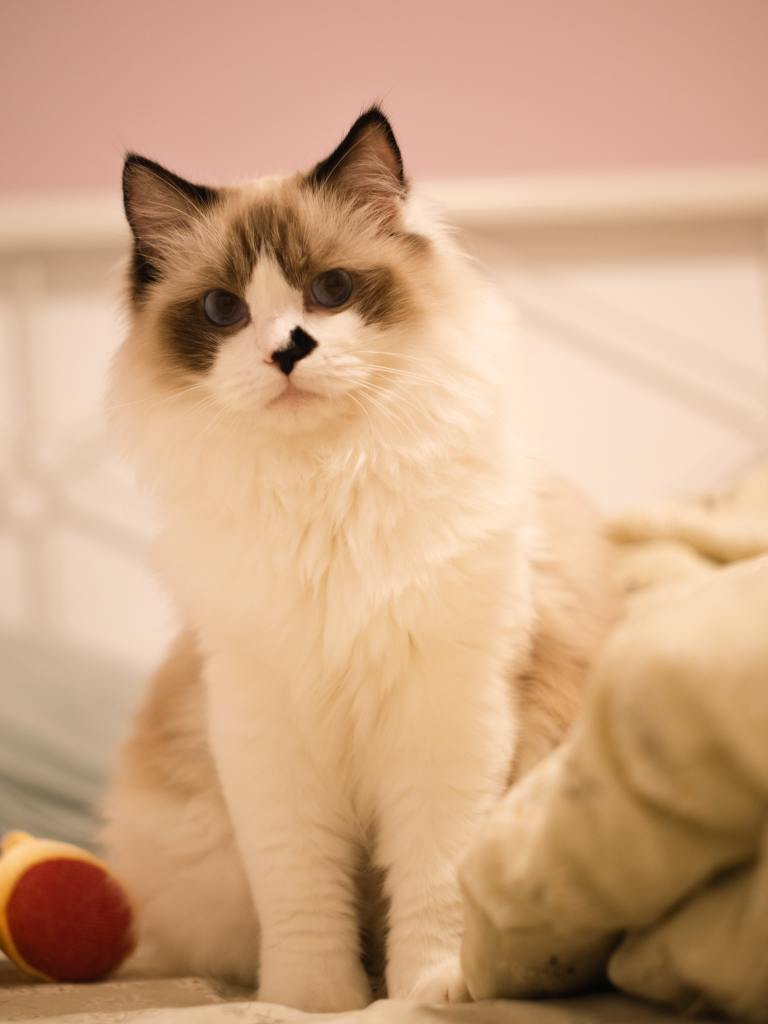
If you’ve ever shared your life with a cat, you’re likely no stranger to the unmistakable sound of a cat retching and the unpleasant surprise of finding a pile of regurgitated kibble on your carpet. Vomiting is a common occurrence in cats, and there are several reasons behind this messy feline behavior.
1. Hairballs: One of the most frequent causes of vomiting in cats is hairballs. Cats are meticulous groomers, and while they spend hours licking their fur to keep it clean, this habit can lead to the ingestion of loose hair. Hair doesn’t always pass through the digestive system smoothly, and when it accumulates in the stomach, it can trigger the urge to vomit. Vomiting helps cats expel these hairballs and prevent blockages in their digestive tract.
2. Dietary Upsets: Cats are known for their finicky eating habits. They can be quite sensitive to changes in their diet or the quality of their food. If a cat consumes something that doesn’t agree with its stomach, such as spoiled food, rich table scraps, or unfamiliar treats, it might vomit as a natural response to eliminate the offending substance. In some cases, overeating can also lead to vomiting, especially in cats who are prone to gorging themselves.
3. Allergies and Food Intolerances: Just like humans, cats can develop allergies or food intolerances. When a cat’s digestive system reacts adversely to a particular ingredient in its food, vomiting can be a way for the body to rid itself of the irritant. It’s essential to identify and eliminate the problematic ingredient to prevent further episodes of vomiting.
4. Foreign Objects: Cats are curious creatures and may occasionally ingest non-food items. These foreign objects can cause irritation or blockages in the digestive tract, leading to vomiting as the body tries to expel the foreign material. It’s vital to monitor your cat’s behavior and surroundings to prevent such incidents.
5. Medical Conditions: Sometimes, vomiting can be a sign of an underlying medical issue. Cats may experience gastrointestinal problems, infections, or diseases that can manifest as vomiting. If your cat is vomiting frequently, exhibits other concerning symptoms, or the vomit contains blood, consult a veterinarian for a thorough examination and diagnosis.
6. Stress and Anxiety: Cats are sensitive animals, and stress or anxiety can affect their overall well-being, including their gastrointestinal health. Changes in the environment, such as moving to a new home or the introduction of a new pet, can trigger stress-related vomiting. Creating a calm and stable environment for your cat can help reduce these episodes.
7. Overindulgence in Grass: Cats are known to munch on grass, which can serve as a natural emetic. In moderation, this behavior can help them clear their stomachs of unwanted substances. However, excessive grass consumption can lead to vomiting, so it’s essential to monitor this behavior.
In most cases, occasional vomiting in cats is considered normal, especially when it’s related to hairballs or dietary indiscretions. However, if the vomiting becomes frequent, bloody, or is accompanied by other concerning symptoms like lethargy or loss of appetite, it’s crucial to seek professional veterinary care.
Maintaining a balanced diet, preventing access to harmful substances, and creating a stress-free environment can go a long way in minimizing vomiting episodes and ensuring your cat’s health and happiness.
 Life in Paws