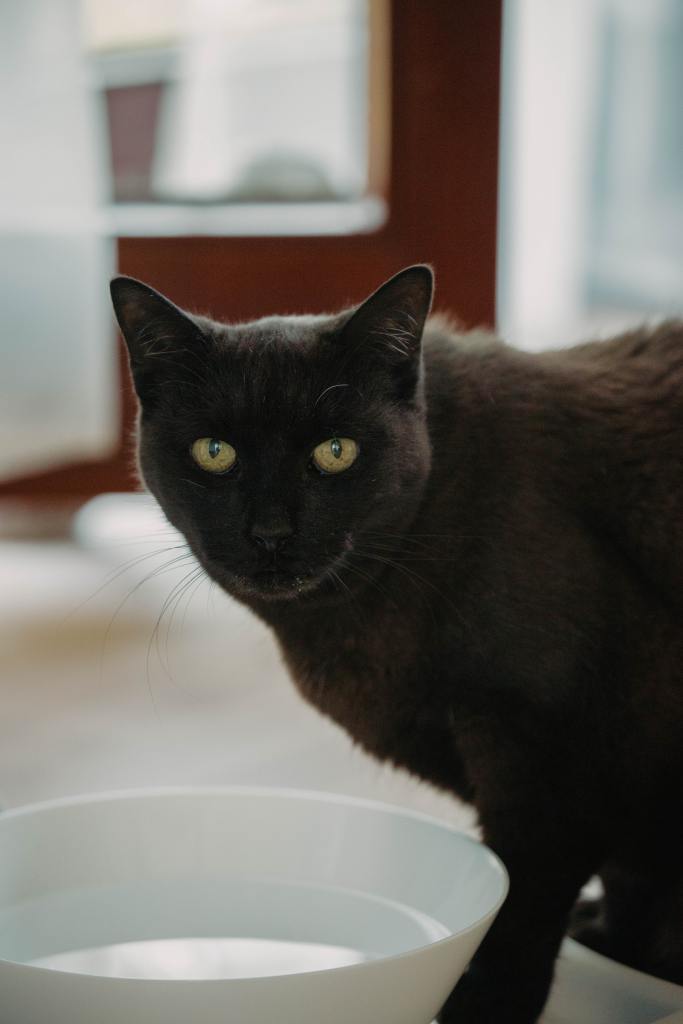
Cats tend to have a reputation for being self-sufficient creatures, but when it comes to their health, they require attentive care and consideration. One crucial aspect of feline well-being is hydration. Cats, by nature, are prone to dehydration and kidney issues, making it essential for cat owners to ensure that their pets receive an adequate water supply. Below we will explore this topic in more detail and offer practical tips for adding water to your kitty’s diet.
The Feline Dehydration Conundrum
Dehydration is a common concern for cats, and it can lead to various health problems. Cats have a relatively low thirst drive, which stems from their evolutionary history as desert-dwelling animals. In the wild, cats obtained much of their hydration from the prey they consumed. However, in a domestic setting, relying solely on dry kibble or not consuming enough water can lead to dehydration.
Cats’ kidneys are responsible for filtering waste from their blood, and these organs require a sufficient intake of water to function optimally. Dehydration can stress the kidneys, potentially leading to kidney disease, urinary tract issues, and a host of other health problems.
Adding Water to the Diet
One effective way to combat dehydration and support your cat’s overall health is by adding water to their diet. Here are some practical tips to help ensure your feline friend gets enough fluids:
- Wet Food with Added Water: One of the simplest ways to increase your cat’s water intake is by serving wet cat food. Additionally, you can enhance the moisture content of your cat’s meals by mixing in a small amount of water. This not only increases hydration but can also make the food more appealing to picky eaters.
- Multiple Hydration Stations: Cats often prefer fresh, flowing water. To encourage them to drink more, place several water bowls or hydration stations around your home. Some cats may be particular about the location of their water source, so providing multiple options can ensure they stay adequately hydrated.
- Invest in a Water Fountain: Many cats are attracted to the sound and movement of flowing water, which is why a cat-specific water fountain can be a fantastic addition to your home. These fountains continuously circulate and oxygenate the water, making it more appealing to your cat and encouraging them to drink more.
- Ice Cubes or Ice Chips: Some cats enjoy playing with ice cubes or licking ice chips. You can place a few ice cubes in their water bowl to pique their interest, as the movement of the ice can stimulate them to drink more.
- Canned Tuna Juice: If you’re looking for a special treat for your furry friend that also promotes hydration, consider using the liquid from canned tuna. While it should be given in moderation due to its high salt content, a small amount as an occasional treat can be an effective way to boost water intake.
- Regular Check-ups: Regular veterinary check-ups are essential for monitoring your cat’s health. Your vet can provide guidance on your cat’s specific hydration needs, especially if they have a history of kidney issues or urinary tract problems.
Cats are delightfully independent pets, but their unique physiology requires special attention when it comes to hydration. Ensuring your cat has adequate water intake is crucial for their well-being. As a responsible cat owner, by adding water to your cat’s diet through the methods listed above, you can help them maintain a happy and healthy life.
 Life in Paws