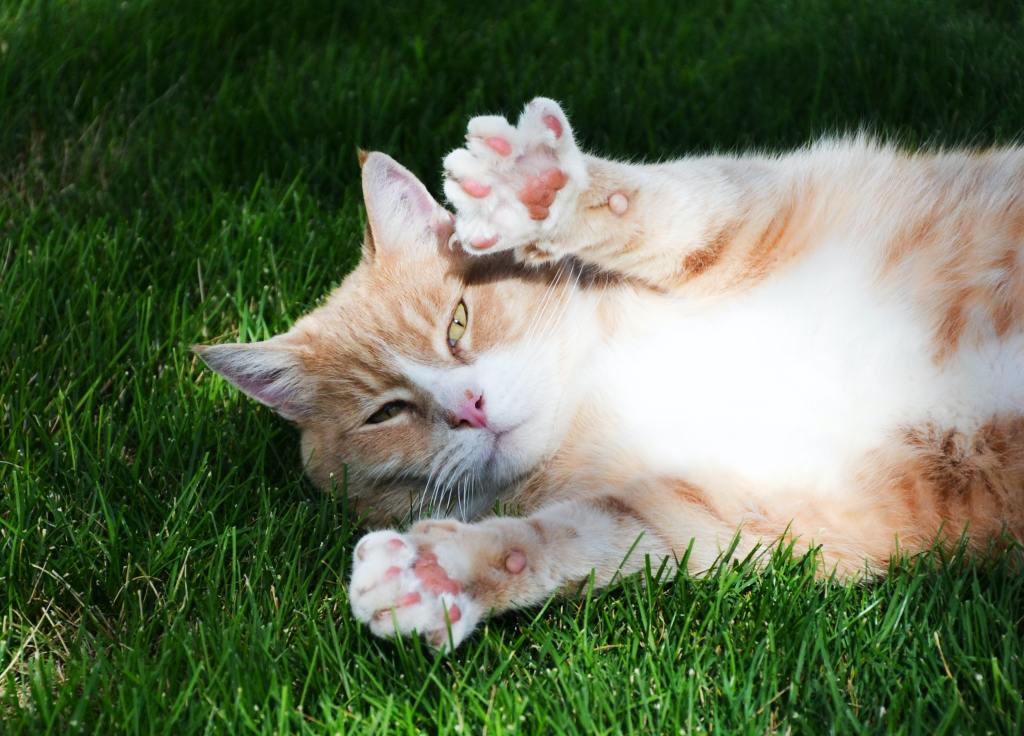
Cats are graceful and agile creatures, and their sharp claws play a crucial role in their daily activities. However, as a responsible cat owner, it’s essential to keep your kitty’s nails in check for both their safety and your own. Here you will find some valuable tips on how to trim your cat’s nails and why keeping them short is important.
Benefits of keeping your cat’s nails short
1. Prevent Injury: Long, overgrown nails can pose a risk to your cat’s well-being. When a cat’s nails become excessively long, they can get caught in carpets, fabrics, or other surfaces, potentially causing painful injuries or broken claws.
2. Protect Furniture: Cats naturally scratch to maintain their claws and mark their territory. If your cat’s nails are too long, they may inadvertently damage your furniture, curtains, or carpets when scratching. Keeping their nails trimmed can help protect your belongings.
3. Reduce Scratches: This one is obvious! Shorter nails are less likely to scratch you, your family members, or other pets. By regularly trimming your cat’s nails, you can minimize the chances of accidental scratches during playtime or cuddling.
4. Prevent Infections: Overgrown nails can curl into the paw pads, leading to infections or discomfort. Keeping the nails short reduces the risk of such issues and ensures they enjoy their life in paws! 😉
Tips for Safely Trimming Cat Nails
Trimming your cat’s nails may seem daunting, but with the right approach and some practice, it can become a routine part of caring for your pet. Here are some tips for safely trimming your cat’s nails:
1. Gather the Right Tools: Before you begin, ensure you have a good pair of cat nail clippers!
2. Familiarize Your Cat: Start by getting your cat comfortable with the nail trimming process. Gently handle their paws and press on the pads to extend the claws. Reward them with treats and affection during this process to create a positive association.
3. Choose the Right Time: Pick a quiet and calm time to trim your cat’s nails. Avoid doing it when your cat is agitated or overly energetic.
4. Be Gentle: Hold your cat’s paw gently but firmly, exposing the nail. Only trim the tip of the nail, avoiding the pinkish area known as the quick, which contains blood vessels and nerves. Cutting the quick can cause pain and bleeding.
5. Take Breaks: If your cat becomes anxious or agitated, don’t force the process. Take breaks, offer treats, and try again later.
6. Gradual Approach: If you’re new to trimming your cat’s nails, start by trimming one or two nails at a time until both you and your cat are comfortable with the process.
7. Use Scratching Posts: In addition to trimming, provide your cat with appropriate outlets for scratching. Scratching posts and pads help cats naturally shed the outer layers of their claws, promoting healthy nail maintenance.
Seriously, get a good scratching post!
Scratching posts are not just pieces of furniture; they serve a vital role in your cat’s well-being. Scratching is a natural behavior for cats and serves as a stress-relieving activity. Providing them with scratching posts allows them to exercise this instinct in a controlled and beneficial way. Additionally, cats use scent glands in their paws to mark their territory when scratching. By offering scratching posts, you encourage your cat to mark designated areas, reducing the likelihood of them scratching furniture or walls.
We hope this article will help you ensure that your cat enjoys well-maintained, healthy claws and a happier, more comfortable life.
 Life in Paws