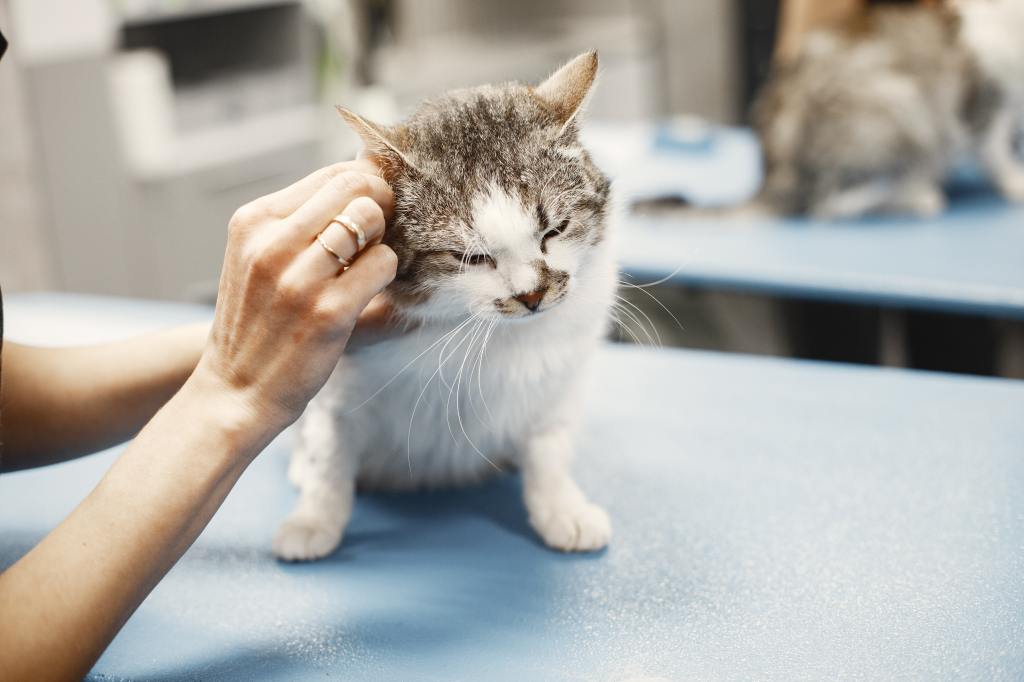
As devoted pet owners, we often go to great lengths to ensure our furry companions lead happy and healthy lives. Yet, when it comes to medical care for our beloved pets, some people might question its necessity due to concerns about expenses or a misconception that pets do not require the same level of healthcare as humans. However, it’s crucial to recognize that cats, like all living beings, require regular medical attention to thrive and enjoy a long, comfortable life. Below we will take a look at the significance of medical care for cats, with a focus on dental health and kidney issues.
Dental Health:
Dental health is often underestimated when it comes to cats. Many pet owners may not be aware of the critical role it plays in their cat’s overall well-being. Just like humans, cats are susceptible to dental problems such as gum disease, tooth decay, and oral infections. Ignoring these issues can lead to excruciating pain, difficulty eating, and severe health complications.
Periodontal disease is one of the most common dental problems in cats. It starts with the accumulation of plaque and tartar on their teeth, which eventually leads to inflammation of the gums. If left untreated, it can progress to more severe stages, causing tooth loss and even affecting vital organs like the heart and kidneys due to the spread of bacteria through the bloodstream.
Routine dental check-ups and professional cleanings at the veterinarian’s office are crucial for maintaining your cat’s oral health. Dental issues can be addressed early, preventing pain and the potential for life-threatening complications.
Kidney Health:
Cats are particularly susceptible to kidney problems as they age. Chronic kidney disease (CKD) is a silent killer that can affect cats of all breeds and ages. The kidneys play a vital role in filtering toxins from the bloodstream and maintaining proper hydration. When they begin to fail, it can be a slow and insidious process.
Regular veterinary visits are essential for monitoring kidney function in your cat. Blood and urine tests can detect early signs of kidney disease, allowing for timely intervention. When CKD is detected in its early stages, dietary changes and medications can help slow its progression, providing your cat with a higher quality of life and a longer lifespan.
Cats that receive regular veterinary care, including dental check-ups, vaccinations, and kidney function monitoring, are more likely to live longer, healthier lives. They are less prone to severe dental issues, infections, and chronic diseases like kidney disease. Regular check-ups allow veterinarians to catch and address health concerns early, preventing them from escalating into life-threatening conditions.
Vet care is not a luxury but a vital necessity. Recognizing the importance of regular veterinary visits can make a profound difference in your cat’s lifespan and overall quality of life. By investing in their healthcare, you not only ensure their comfort and well-being but also enjoy the companionship of a healthy and happy feline friend for many years to come. Remember, your cat relies on you for their health, so make that commitment to prioritize their medical care, just as you would for any cherished member of your family.
 Life in Paws