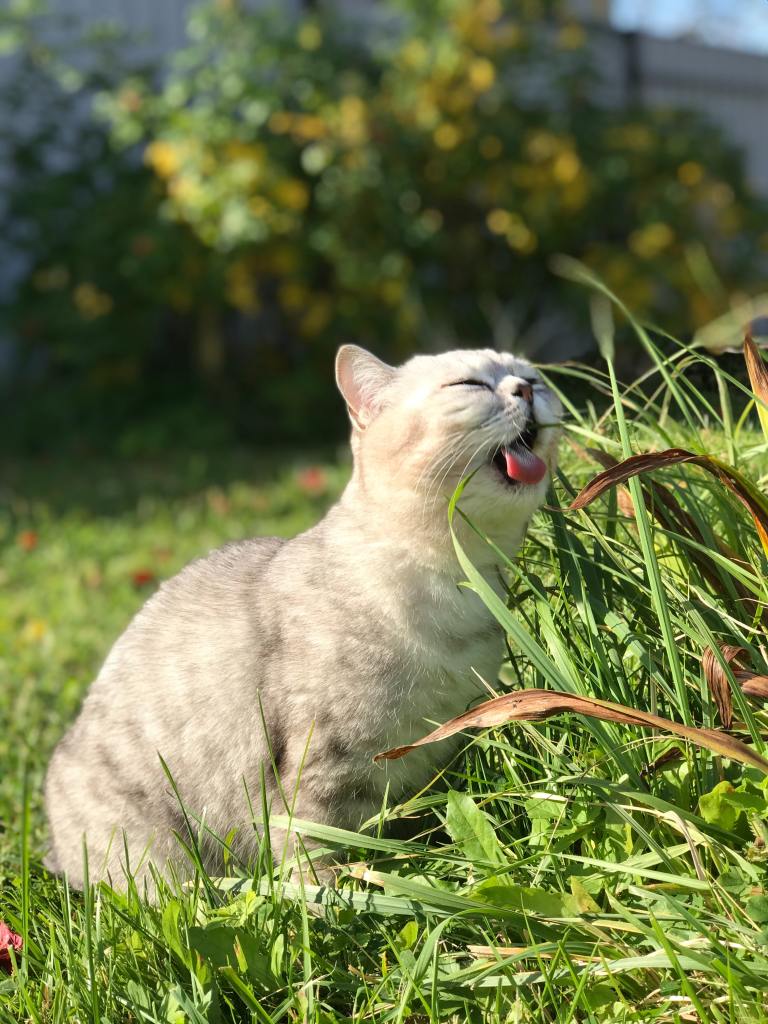
Cats have a penchant for nibbling on grass, which has led many cat owners to wonder why their feline friends enjoy it so much. The answer lies in their biology, and to provide a safe and enjoyable source of greenery for your pet, many cat owners turn to growing cat grass indoors. Let’s explore the benefits of cat grass, how to grow it, and why it’s an essential addition to your cat’s environment.
Why Do Cats Like Eating Grass?
Before we delve into growing cat grass, it’s essential to understand why cats are so drawn to it. There are several reasons:
- Digestive Aid: Cats are obligate carnivores, meaning their diets primarily consist of meat. However, they occasionally consume plants to aid in digestion, especially when they need to regurgitate hairballs or cleanse their digestive system.
- Nutrient Boost: Grass is a natural source of fiber, vitamins, and minerals. When your cat munches on cat grass, they may be supplementing their diet with essential nutrients that aid their overall health.
- Dental Health: Chewing on grass can help clean your cat’s teeth by removing plaque and promoting gum health.
- Stress Relief: Some experts believe that chewing on grass provides a form of stress relief for cats, helping them calm down when they’re feeling anxious or bored.
How to Grow Cat Grass
Cat grass, typically a type of cereal grass like wheat, oats, or barley, plays a crucial role in your cat’s well-being. It even gives your cat a source of entertainment, helping combat boredom and stress. Here’s how you can start growing it yourself:
- Choose a Container: Select a shallow, wide container to grow your cat grass. It should have drainage holes or be lined with gravel to prevent waterlogging.
- Select Seeds: Opt for cat-safe grass seeds, which are readily available at pet stores or online. Wheat, oats, and barley are popular choices.
- Plant the Seeds: Fill your container with potting soil, leaving about half an inch of space at the top. Sprinkle the seeds evenly over the soil and lightly press them down. Water the soil thoroughly.
- Provide Light: Place the container in a sunny spot, such as a windowsill, where your cat grass can receive plenty of natural light. Ensure it gets at least 4-6 hours of sunlight daily.
- Water Regularly: Keep the soil consistently moist but not waterlogged. Be mindful not to overwater, as this can lead to mold growth.
- Allow Growth: In about 7-10 days, you’ll notice the grass beginning to sprout. Once it reaches a height of 3-4 inches, it’s ready for your cat to enjoy.
- TIP: Grow another batch before the first one goes bad, so that you never run out of this delicious treat for your cat.
Growing cat grass indoors is a simple and effective way to provide your feline friend with a natural and beneficial treat. Not only does it aid in digestion, promote dental health, and offer mental stimulation, but it also satisfies your cat’s natural instincts. By incorporating cat grass into your pet’s environment, you’re taking a proactive step towards ensuring their overall well-being and happiness.
 Life in Paws