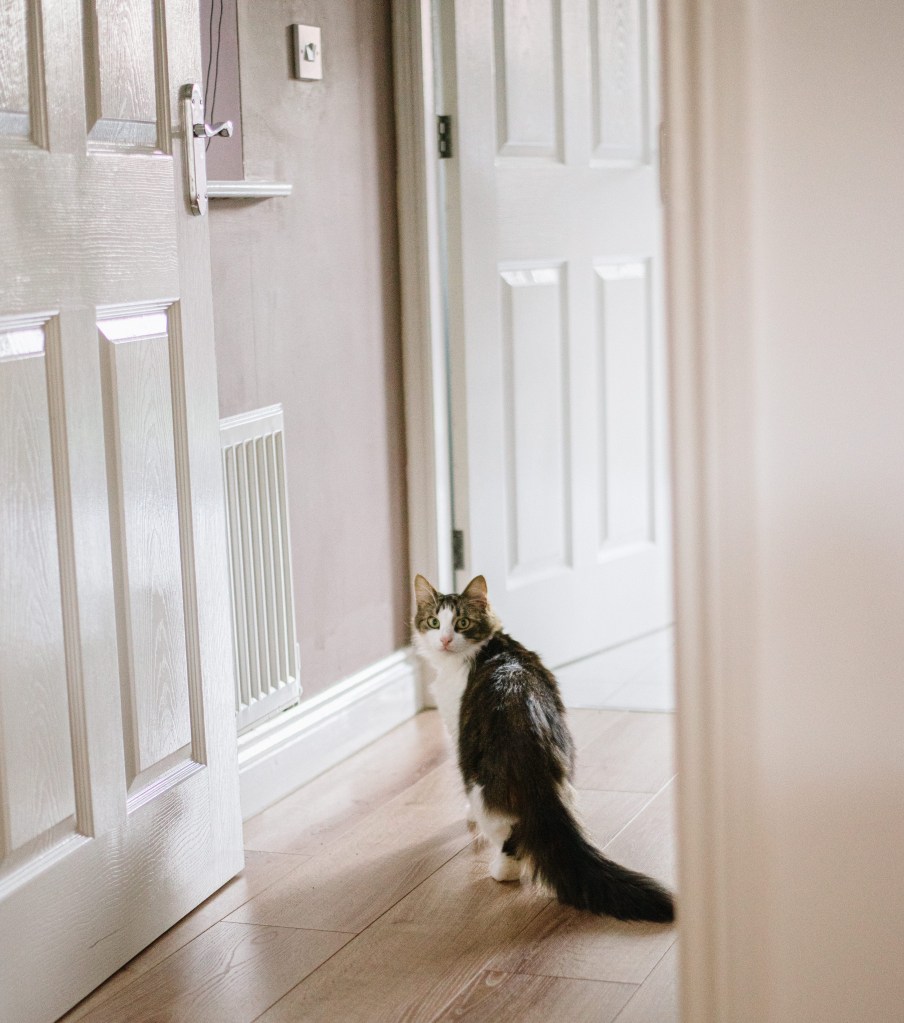
Visiting other people’s homes often involves meeting their pets, including their beloved cats. While it’s exciting to interact with these furry creatures, it’s essential to remember that these cats may not know you well, and your actions can greatly impact their comfort and well-being. Unfortunately, many guests (especially kids) unknowingly mishandle cats by inappropriately grabbing or pulling on them, treating them as if they’re toys for their amusement. In this article, we will explore the etiquette of handling other people’s cats as guests, emphasizing the importance of being gentle, respectful, and considerate of their boundaries.
Respect Personal Space:
First and foremost, when visiting someone’s home, guests should respect a cat’s personal space. Cats are territorial creatures, and they may feel anxious or threatened when unfamiliar people invade their space. Upon arrival, allow the cat to approach you on its terms. Avoid reaching out to grab or pet the cat immediately, as this can be perceived as a threat. Instead, sit quietly and let the cat come to you if it chooses to do so. This initial patience sets a positive tone for your interaction.
Ask Permission:
Before interacting with the cat, always ask the cat’s owner or the host for permission. Some cats are more social and accustomed to meeting new people, while others may be shy or anxious. The owner knows their cat’s personality best and can advise you on how to approach and interact with their furry friend. Always follow their guidance to ensure a positive experience for both you and the cat.
Approach Calmly and Slowly:
When the cat decides to approach you or if the owner encourages interaction, approach the cat calmly and slowly. Avoid sudden movements or loud noises that might startle the cat. Extend your hand slowly for the cat to sniff if it is comfortable with that level of interaction. If the cat does not show interest or moves away, respect its choice and do not pursue further.
Gentle Petting:
If the cat seems receptive to petting, use a gentle and non-invasive petting technique. Start with slow, gentle strokes on the cat’s head or back, avoiding sensitive areas like the tail or belly unless the owner specifically advises otherwise. Pay attention to the cat’s body language – if it leans into your touch or purrs, it’s likely enjoying the interaction. If it tenses up, arches its back, or tries to move away, stop and give the cat space.
Avoid Playful Roughness:
It’s crucial to understand that cats are not toys, and they should never be treated as such. Playful roughness, such as grabbing their tail, ears, or paws, can cause physical harm and distress to the cat. Avoid any actions that may induce fear or anxiety in the cat, as it can lead to defensive behavior or scratching.
Be Mindful of Allergies and Hygiene:
Some people may have allergies to cats, so be mindful of this especially if you’re around other guests that may be allergic. Wash your hands after interacting with the cat to remove allergens. If you know you have allergies, take necessary precautions, such as taking antihistamines before your visit.
Respect the Cat’s Safe Spaces:
Cats often have specific safe spaces in their homes where they retreat when they need solitude or a sense of security. Respect these spaces and do not intrude. If the cat retreats to its hiding spot or designated area, give it the space it needs.
Interacting with other people’s cats as a guest can be a rewarding experience when approached with respect and consideration. Remember that cats are sensitive creatures with distinct personalities, and their comfort should be a top priority. By respecting their personal space, asking for permission, and approaching them gently, you are not only treating cats with kindness and empathy but also ensuring a harmonious and memorable visit for all involved.
 Life in Paws