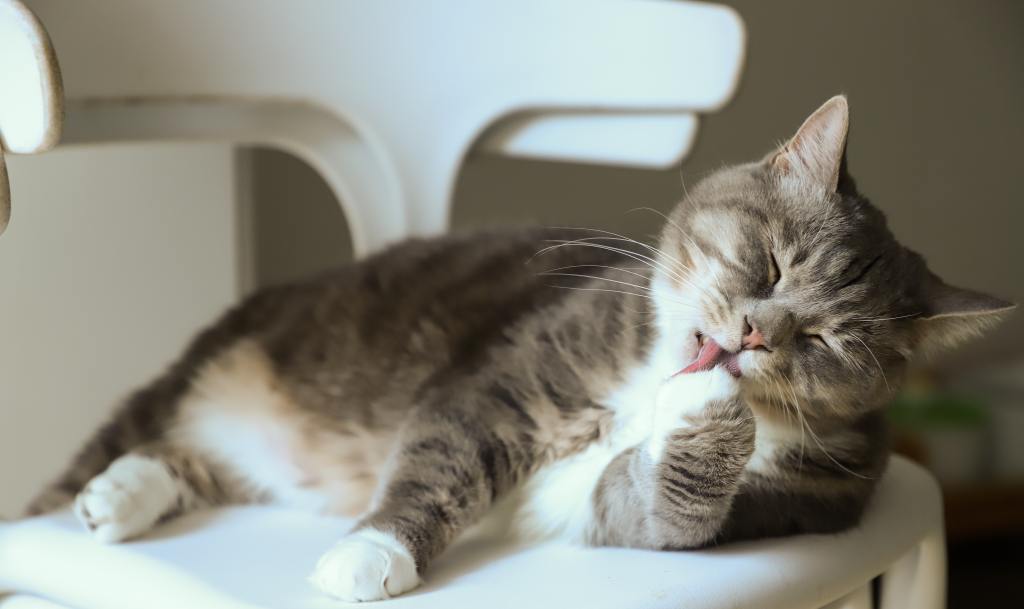
Cats are renowned for their meticulous grooming habits. If you’ve ever observed your feline companion engaged in a vigorous licking session, you might wonder what drives this behavior and whether there’s more to it than meets the eye. In this comprehensive article, we’ll explore why cats lick themselves, what prompts this ritual, how often they do it and for how long, and delve into the intriguing connection between grooming and furballs. Additionally, we’ll investigate whether there’s an evolutionary aspect to this fascinating feline behavior.
Why Do Cats Lick Themselves?
- Cleanliness: The primary and most obvious reason cats groom themselves is to maintain cleanliness. Cats are inherently clean animals, and they use their rough tongues as washcloths to remove dirt, debris, and odors from their fur. This serves not only to keep their coats pristine but also to reduce any scent that might attract potential predators.
- Temperature Regulation: Licking also plays a role in temperature regulation. As cats lick their fur, the saliva evaporates, providing a cooling effect on their bodies. This becomes particularly important during hot weather as it helps them stay comfortable.
- Bonding and Comfort: Grooming can also be a form of self-soothing for cats. Mother cats groom their kittens not only to clean them but also to bond with them and stimulate urination and defecation. Adult cats may carry this behavior into adulthood, using grooming as a source of comfort during moments of stress or anxiety.
- Wound Healing: Another intriguing aspect of feline grooming is its potential role in wound healing. Cat saliva contains enzymes that can help clean wounds, preventing infection, and promoting the healing process. It’s not uncommon to see a cat licking a minor scratch or cut as a form of self-medication.
How Often and for How Long Do Cats Lick Themselves?
Cats are prolific groomers, and the frequency of their grooming sessions can vary widely among individuals. On average, cats spend between 15% to 50% of their waking hours grooming themselves. Factors influencing the amount of time a cat dedicates to grooming include breed, age, and individual personality. Some cats may be more fastidious groomers than others, and certain breeds may have a higher grooming requirement due to the length and type of their fur.
Furballs and Digestion:
While grooming is essential for a cat’s well-being, excessive grooming can inadvertently lead to the formation of hairballs, scientifically known as trichobezoars, within their digestive tract. Here’s how it happens:
- Ingested Hair: Cats’ rough tongues are efficient at trapping loose fur during grooming. However, they often swallow this hair, which usually passes through the digestive system without issues.
- Hairball Formation: Occasionally, hair accumulates in the stomach, forming a hairball. This tends to occur more frequently in long-haired breeds or cats that groom excessively.
- Coughing Up Hairballs: To eliminate these hairballs, cats may exhibit retching and eventually cough up the hairball. This behavior is a natural mechanism for cats to remove ingested fur from their stomachs.
Preventing Hairballs:
To help prevent hairballs and support your cat’s digestion:
- Regular Brushing: Regularly brushing your cat, especially if they have long fur, can reduce the amount of loose hair your cat ingests during grooming. This can be particularly effective in preventing excessive hairball formation.
- Dietary Supplements: Consider adding a hairball remedy or dietary supplement to your cat’s food. These products often contain ingredients like fiber that help hair pass through the digestive system more easily.
- Hydration: Ensure your cat stays well-hydrated. Proper hydration can aid in digestion and reduce the risk of hairball formation.
- Fiber-Rich Diet: Offering a high-fiber diet or specialized hairball control cat food can help move hair through the digestive tract, reducing the likelihood of hairball formation.
The Evolutionary Aspect of Grooming:
Cats have retained their grooming behavior through evolution for several reasons:
- Camouflage: In the wild, a clean coat helps cats blend into their surroundings and become stealthier hunters.
- Thermoregulation: Grooming helps maintain body temperature by spreading saliva on their fur, which can provide a cooling effect.
- Communication: Cats also groom each other as a sign of social bonding and hierarchy within a group. This behavior helps establish trust among members of a colony or group.
- Self-Medication: Grooming may aid in self-healing by cleaning wounds and reducing the risk of infection.
Final Thoughts:
Cats’ grooming behavior is a multifaceted ritual rooted in their instinctual need for cleanliness, comfort, and self-maintenance. While this behavior is vital for their well-being, it can sometimes lead to hairball formation. Understanding the reasons behind your cat’s grooming habits and taking preventive measures can help keep your feline friend healthy and happy. Moreover, the grooming ritual is deeply ingrained in a cat’s evolutionary history, serving various essential functions that have helped them survive and thrive as one of the world’s most enigmatic and beloved creatures. So, the next time you witness your cat meticulously licking itself, you’ll appreciate the rich tapestry of instincts and benefits intertwined with this seemingly simple act.
 Life in Paws