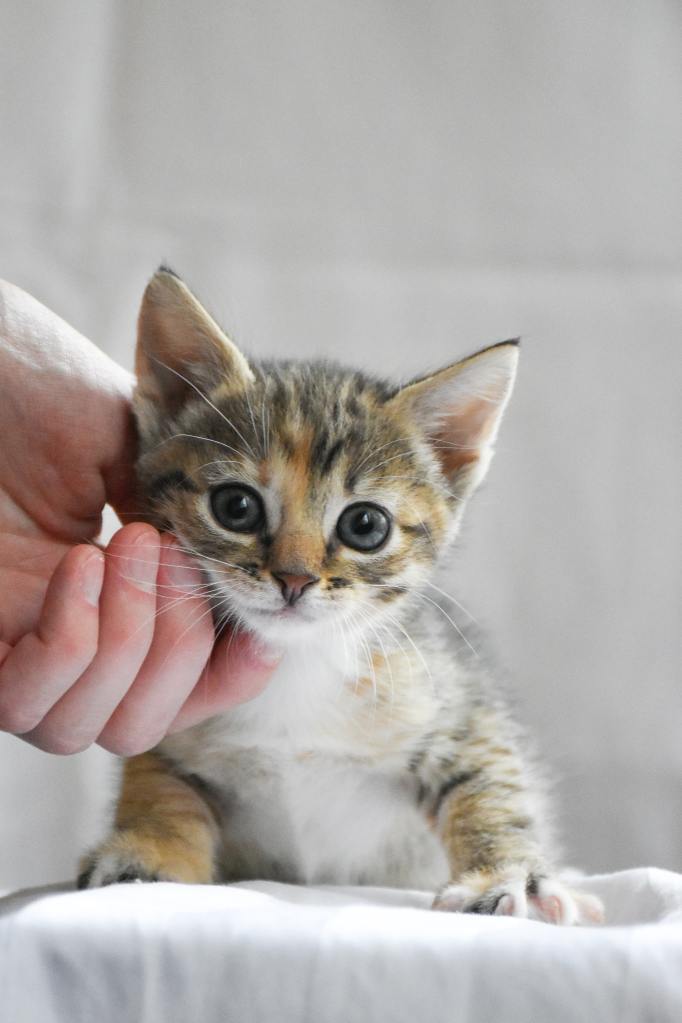
Petting a cat is an art that requires understanding, patience, and respect for their individual preferences. While cats are known for their diverse personalities, there are some universal guidelines that can help you master the art of cat petting. This article will explore how to pet a cat, their favorite spots that they absolutely adore, and areas that are best avoided to ensure a harmonious and enjoyable interaction between you and your feline friend.
How to Pet a Cat
When approaching a cat for petting, it’s essential to let them take the lead. Cats are sensitive creatures, and their level of comfort can vary from day to day. Begin by offering your hand for them to sniff, allowing them to become familiar with your scent. Approach them slowly and avoid sudden movements that might startle them. Let the cat initiate contact by moving closer to your hand or rubbing against you.
Favorite Petting Spots
- Chin and Cheeks: Most cats love being petted on their chin and cheeks. Gently stroking these areas with your fingertips is likely to earn you a purring companion. Some cats might even nuzzle into your hand to encourage more of this delightful attention.
- Base of the Ears: Behind a cat’s ears, where their head meets their neck, is a sweet spot for many felines. Lightly scratching or rubbing this area can result in contented purring and affectionate gestures.
- Back and Shoulders: Running your hand along a cat’s back and shoulders can be incredibly soothing for them. Use slow, gentle strokes in the direction of their fur to create a relaxing and pleasurable experience.
- Base of the Tail: While not all cats enjoy being petted at the base of their tail, some do. If your cat responds positively to this area, offer light strokes to help them relax.
Spots to Avoid
- Belly: Unlike dogs, most cats are sensitive about their belly area. While some cats may tolerate belly rubs, others might perceive it as a threat and respond defensively with biting or scratching. Approach with caution and pay attention to your cat’s signals.
- Tail: A cat’s tail is an extension of their spine and holds a lot of sensory information. It’s generally best to avoid grabbing or pulling their tail, as this can be uncomfortable or distressing for them.
- Whiskers: Cats’ whiskers are highly sensitive and play a crucial role in their navigation. Avoid touching or bending their whiskers, as this can be bothersome for them.
Petting a cat is a wonderful way to bond and show your affection, but it’s important to respect their boundaries and preferences. Remember, every cat is unique, so observing their body language and responses is key to building a trusting relationship built on mutual understanding and respect.
 Life in Paws