Cats bring joy and comfort to our lives. However, like all living beings, they are not immune to health issues, including minor ones like eye boogers, scientifically known as epiphora. While these eye crusts may seem harmless, understanding their causes and implementing appropriate solutions can help ensure our feline friends’ overall eye health and well-being.
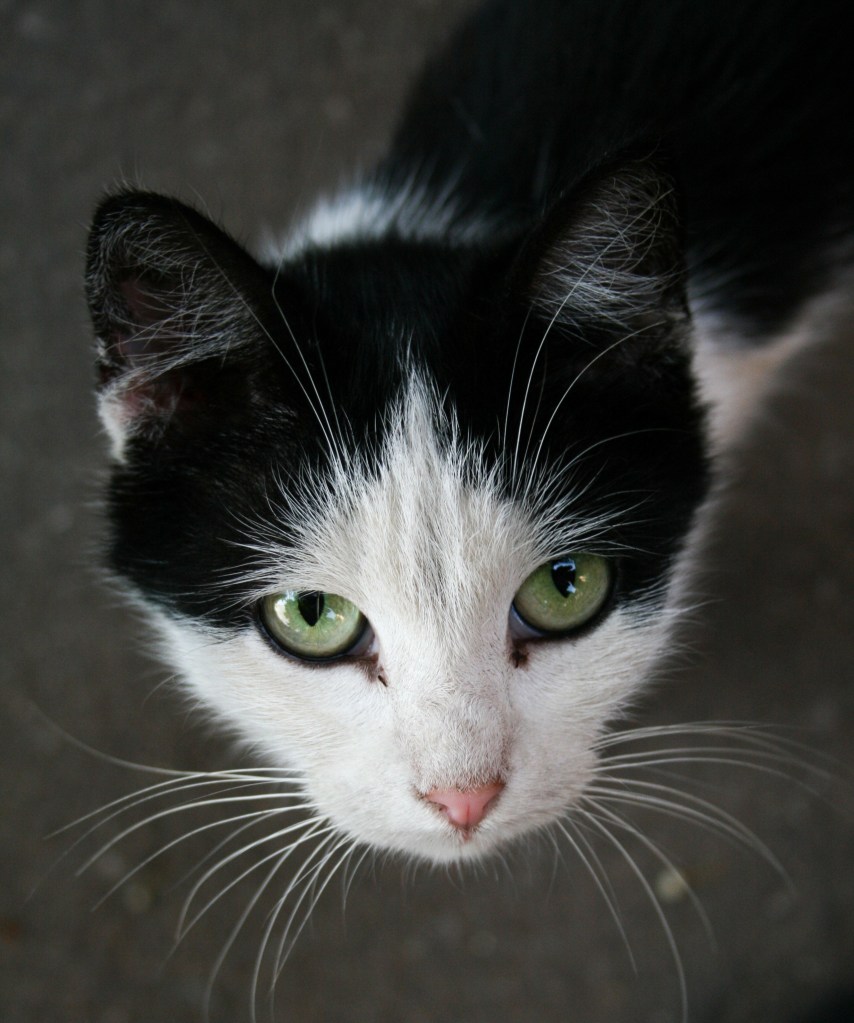
Understanding Eye Boogers in Cats
Eye boogers, technically referred to as epiphora or ocular discharge, are the result of various factors affecting a cat’s eyes. They can manifest as brown or yellowish crusts, which may accumulate in the corners of the eyes, along the eyelids, or even in the fur surrounding the eyes. These discharges are typically a mix of mucus, tears, dirt, dead cells, and other debris.
Common Causes of Eye Boogers in Cats
1. Tear Duct Blockage: A common cause of eye boogers is a blocked tear duct. Tears are essential for maintaining eye health, lubricating the eyes, and flushing away debris. When the tear ducts become obstructed, tears cannot properly drain, leading to an accumulation of discharge.
2. Conjunctivitis: Inflammation of the conjunctiva, the thin membrane covering the eye’s surface, can result in excessive tearing and eye boogers. Conjunctivitis can be caused by infections, allergies, irritants, or other underlying health issues.
3. Eye Infections: Bacterial or viral infections can lead to excessive tearing and discharge in the eyes. Common culprits include feline herpesvirus (FHV) and chlamydia, both of which can cause conjunctivitis and other eye-related symptoms.
4. Environmental Irritants: Cats can develop eye boogers in response to allergens, smoke, dust, or other environmental irritants that come into contact with their eyes.
5. Entropion: Entropion is a condition where the eyelids roll inward, causing the eyelashes to rub against the cornea. This constant irritation can lead to tear production and eye boogers.
6. Foreign Bodies: Foreign objects, such as dust particles or plant material, can get trapped in a cat’s eyes, leading to irritation and excessive tearing.
When to Seek Veterinary Care
While mild eye boogers are relatively common and may not be a cause for concern, it is essential to monitor your cat’s eye discharge closely. Seek veterinary care if you notice any of the following:
– Change in Color or Consistency: If the eye boogers become green, yellow, or pus-like, it may indicate an infection that requires medical attention.
– Excessive Discharge: If your cat’s eye discharge is persistent, excessive, or worsens over time, it may indicate an underlying health issue that needs to be addressed.
– Eye Redness or Swelling: Redness, swelling, or squinting in the eyes can be signs of inflammation or infection, requiring veterinary evaluation.
– Changes in Behavior: If your cat is pawing at its eyes, rubbing its face against surfaces, or displaying signs of discomfort, it is crucial to have its eyes examined by a veterinarian.
Diagnosing the Underlying Cause
A thorough examination by a veterinarian is necessary to determine the underlying cause of your cat’s eye boogers. The vet will assess your cat’s overall health, examine the eyes, and may perform additional tests, such as eye staining or swabs, to identify infections or other abnormalities.
Once the cause is determined, appropriate treatment can be prescribed. Treatments may include medicated eye drops, ointments, antibiotics, or antiviral medications, depending on the underlying issue.
 Life in Paws