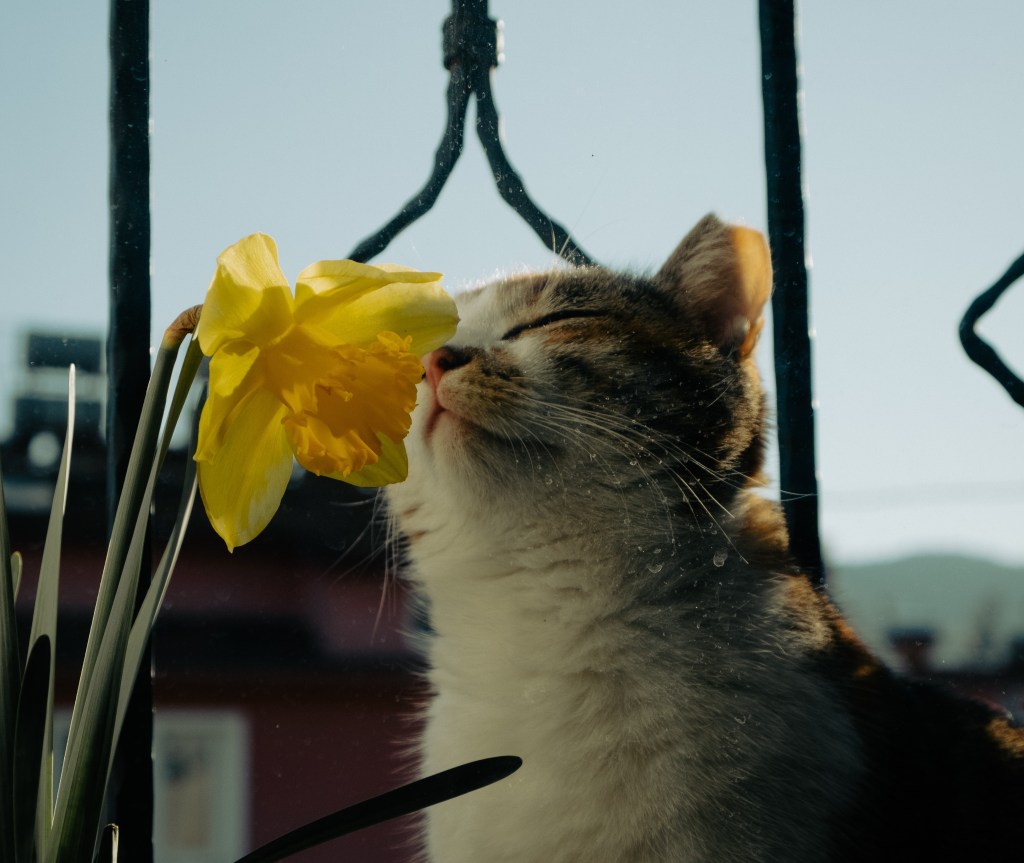
Creating a safe and nurturing home environment for our feline companions involves more than just cuddles and cozy corners. As cat owners, we must be vigilant about the plants we bring into our living spaces, as several common houseplants can pose significant health risks to our curious and playful kitties. From the alluring lilies that adorn vases to the lush dracaenas gracing our windowsills, many seemingly harmless plants can harbor toxins that, if ingested, can lead to distressing consequences for our furry friends. In this post, we’ll explore 10 such houseplants that are toxic or poisonous to cats, highlighting the importance of both aesthetic choices and informed pet care.
Lilies: While admired for their beauty, lilies are highly toxic to cats, especially true lilies (e.g., Easter Lily, Tiger Lily). Ingesting even small amounts of the plant can lead to kidney failure, which can be fatal if not treated promptly.
Dieffenbachia: Also known as the “dumb cane,” this popular houseplant contains calcium oxalate crystals that can cause intense oral irritation and swelling when chewed or ingested by cats.
Pothos: Pothos, with its heart-shaped leaves, is a common trailing plant that contains insoluble calcium oxalates, causing irritation and discomfort if chewed on or swallowed by cats.
Philodendron: Similar to pothos, philodendrons contain calcium oxalate crystals that cause mouth and throat irritation, leading to excessive drooling and discomfort for cats.
Sago Palm: Despite its appealing appearance, the sago palm is highly toxic. All parts of the plant contain cycasin, a compound that can cause severe liver damage, leading to vomiting, diarrhea, seizures, and even death in cats.
Dracaena: Many species of dracaena, including the corn plant and dragon tree, are harmful to cats due to their saponins. Ingestion can lead to gastrointestinal upset, vomiting, and loss of appetite.
Aloe Vera: This succulent is commonly used for its healing properties, but its gel and latex can be toxic to cats when ingested, causing vomiting, lethargy, and diarrhea.
English Ivy: Often used as a decorative vine, English ivy contains compounds called glycosides, which can lead to vomiting, diarrhea, and abdominal pain when consumed by cats.
Jade Plant: Also known as the money plant or friendship tree, the jade plant contains compounds called bufadienolides that can cause vomiting, lethargy, and in severe cases, heart arrhythmias in cats.Amaryllis: A popular flowering plant during the holidays, amaryllis contains alkaloids that can lead to gastrointestinal distress, drooling, vomiting, diarrhea, and even tremors in cats.
While houseplants undoubtedly add beauty and freshness to our indoor spaces, they also introduce a responsibility to ensure the safety and well-being of our cherished feline companions. Recognizing the potential risks associated with toxic houseplants empowers us to make informed choices and create an environment that aligns with our role as responsible pet owners. By opting for non-toxic alternatives, strategically placing plants out of reach, and promptly seeking veterinary care in case of ingestion, we can strike a balance between our love for nature and our commitment to providing a secure haven for our cats. Through education and proactive care, we can transform our homes into nurturing sanctuaries where our feline friends can thrive alongside the greenery we so adore.
 Life in Paws