As responsible pet owners, it’s our duty to ensure the health and safety of our furry loved ones. While sharing a meal with them might seem like a bonding experience, it’s essential to remember that not all foods are suitable for cats. In fact, some common human foods can be toxic and even life-threatening to cats. In this guide, we’ll delve into 10 such foods that should never find their way into your cat’s bowl. By understanding the dangers associated with these foods and taking proactive measures to keep them out of your cat’s reach, you can play a vital role in safeguarding your pet’s well-being.
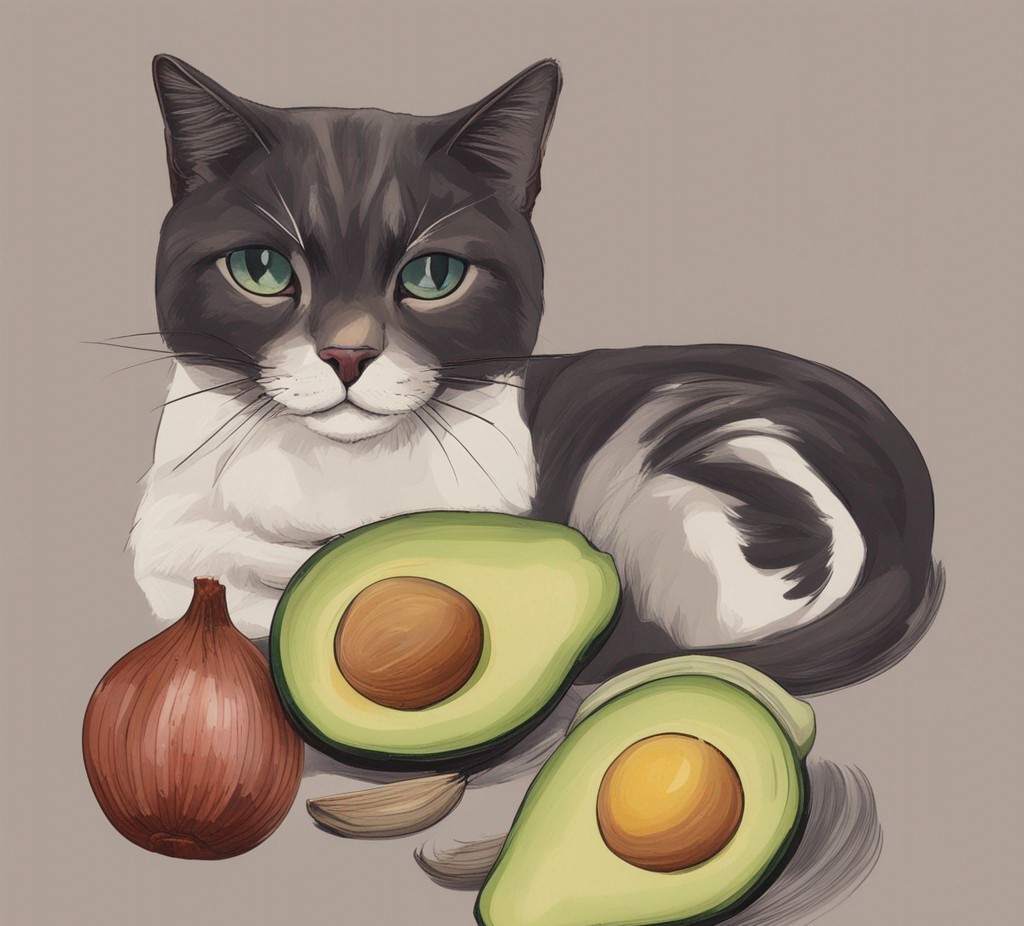
1. Onions and Garlic: Both onions and garlic contain compounds that can damage a cat’s red blood cells, leading to anemia. Even small amounts, whether raw, cooked, or in powdered form, can be harmful.
2. Chocolate: Chocolate contains theobromine and caffeine, stimulants that are difficult for cats to metabolize. Ingesting chocolate can lead to vomiting, diarrhea, rapid breathing, increased heart rate, and even seizures.
3. Grapes and Raisins: Grapes and raisins can cause kidney failure in cats, leading to symptoms like vomiting, diarrhea, lethargy, and a loss of appetite.
4. Alcohol: This is an obvious one but worth noting anyway! Alcohol is highly toxic to cats. Even small amounts can lead to alcohol poisoning, causing symptoms like vomiting, diarrhea, difficulty walking, tremors, and in severe cases, coma or death.
5. Caffeine: Similar to chocolate, caffeine can be harmful due to its stimulant effects. Ingesting foods or drinks containing caffeine can lead to restlessness, rapid breathing, heart palpitations, and tremors.
6. Dairy Products: While a small amount of dairy might not immediately harm all cats, many are lactose intolerant and can experience digestive upset, such as diarrhea, if they consume dairy products.
7. Raw Eggs: Raw eggs can contain bacteria like Salmonella or E. coli, which can lead to food poisoning in cats. Additionally, a protein in raw egg whites can interfere with biotin absorption.
8. Bones: Cooked bones, especially chicken or fish bones, can splinter and cause choking hazards or damage the digestive tract if ingested by cats.
9. Xylitol: Found in sugar-free gum, candies, and some baked goods, xylitol can lead to insulin release and cause a rapid drop in blood sugar levels in cats. This can result in vomiting, loss of coordination, seizures, and even liver failure.
10. Avocado: Avocado contains a substance called persin, which is toxic to cats in large amounts. While the flesh itself might not be as dangerous, the pit, skin, and leaves contain higher concentrations and can lead to vomiting, diarrhea, and upset stomach.
Our cats rely on us for their nourishment and care, which includes being aware of the foods that can jeopardize their health. As caring and attentive pet owners, it’s our responsibility to provide our feline companions with a diet that supports their unique nutritional needs and keeps them safe from harm. By refraining from sharing foods that are toxic to cats, educating ourselves about safe alternatives, and promptly seeking veterinary care in case of accidental ingestion, we can create an environment where our cats can enjoy a long, healthy, and joyful life.
 Life in Paws