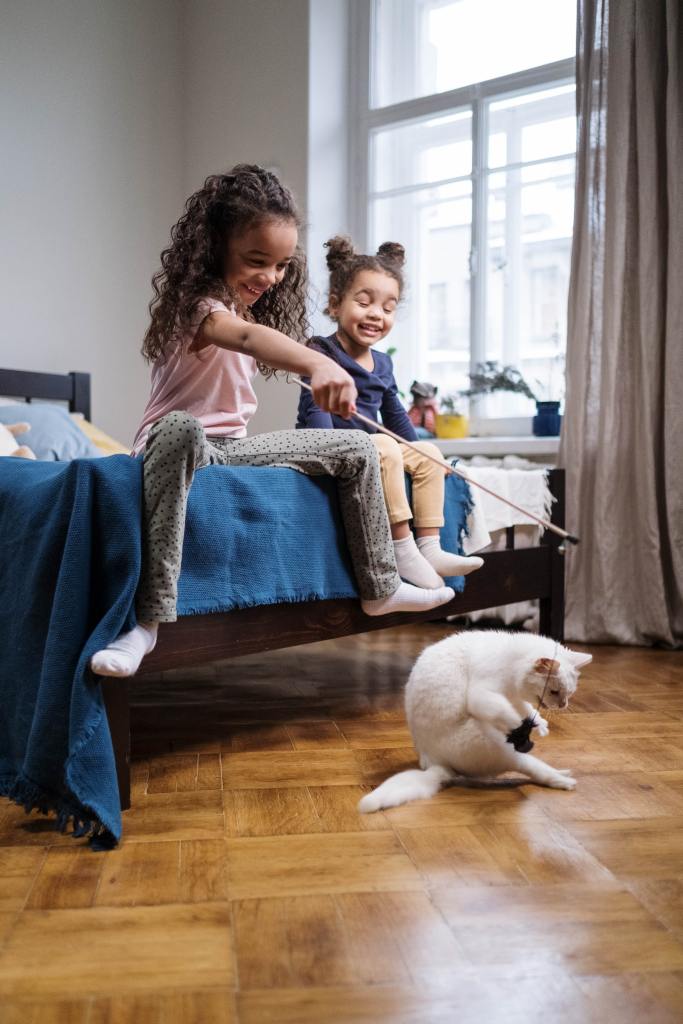
Pet ownership has been a cherished tradition in many households for centuries, and for good reason. Beyond the joy and companionship they bring, pets can have a profound and positive impact on children’s physical, emotional, and social development. From fostering empathy and responsibility to improving mental well-being, the benefits of having a pet extend far beyond the adorable cuddles and playful antics. In this article, we will explore the numerous ways in which pet ownership is good for kids.
1. Developing Empathy and Compassion
Caring for a pet provides children with opportunities to develop empathy and compassion. As they tend to their furry friend’s needs, they learn to understand and respond to the emotions and well-being of another living being. The act of nurturing and showing kindness towards a pet encourages children to be more considerate and understanding in their interactions with both animals and humans.
2. Learning Responsibility
Owning a pet comes with a set of responsibilities, such as feeding, grooming, and regular visits to the veterinarian. Children who are involved in the day-to-day care of their pets learn about commitment and the importance of fulfilling responsibilities. These lessons in responsibility can extend to other aspects of their lives, including chores, homework, and personal tasks.
3. Enhanced Physical Activity
Pets, particularly dogs, encourage children to be more physically active. Playing fetch in the park, going for walks, or simply engaging in energetic playtime around the house keeps kids moving and promotes a healthier lifestyle. Regular physical activity not only benefits their physical health but also contributes to better sleep and improved mood.
4. Boosting Mental Well-being
The presence of a beloved pet can have a positive impact on a child’s mental well-being. Spending time with pets has been shown to reduce stress and anxiety levels in kids, leading to increased feelings of comfort and security. The simple act of stroking a cat or cuddling with a dog can release feel-good hormones like oxytocin and lower cortisol levels, promoting a sense of calm and relaxation.
5. Facilitating Social Skills
Pets can act as social catalysts, especially for shy or introverted children. They provide a common ground for social interactions and can serve as icebreakers in social situations. For instance, children may find it easier to strike up a conversation with a peer who shares their love for animals. Additionally, pet-related activities, such as obedience classes or visits to dog parks, can create opportunities for kids to interact with other pet owners and their pets, fostering social skills and confidence.
6. Coping with Stress and Difficult Emotions
Children often encounter stress and difficult emotions as they grow and navigate the challenges of life. Having a pet as a confidant and non-judgmental listener can be incredibly comforting for kids. The presence of a loyal companion can provide a sense of security during times of emotional distress or upheaval, allowing children to express their feelings openly without fear of judgment.
7. Strengthening the Immune System
Research suggests that exposure to pets from an early age can bolster a child’s immune system, reducing the risk of allergies and asthma. Regular interactions with pets may help kids build stronger immune responses to allergens, creating a healthier environment for their physical development.
8. Teaching Communication and Non-Verbal Cues
Interacting with animals can teach children about non-verbal communication and cues. Understanding a pet’s body language and behavioral signals helps kids recognize and respond to different emotions and needs. This skill can be transferable to their interactions with peers and adults, promoting effective communication and empathy.
9. Encouraging Learning and Curiosity
Having a pet often sparks curiosity and a desire to learn about animals, their habitats, and their needs. Children may find themselves reading books or watching educational shows about pets and their behaviors, thereby expanding their knowledge and fostering a love for learning.
10. Fostering Unconditional Love
Pets offer unconditional love and acceptance, which is invaluable for a child’s emotional development. Knowing that their pet loves them no matter what can help children build self-esteem and develop a strong sense of self-worth.
In summary, pet ownership can be a transformative and enriching experience for children. The benefits of having a pet go beyond the joy and fun they bring to a household. From nurturing empathy and responsibility to promoting physical and emotional well-being, the positive effects of pet ownership on kids are far-reaching. As children learn to care for and bond with their furry companions, they gain valuable life skills and experiences that shape their personalities and foster a lifelong love for animals. Whether it’s a cat, a dog, a hamster, or a fish, the presence of a pet can create lasting memories and have a profound impact on a child’s formative years.
 Life in Paws