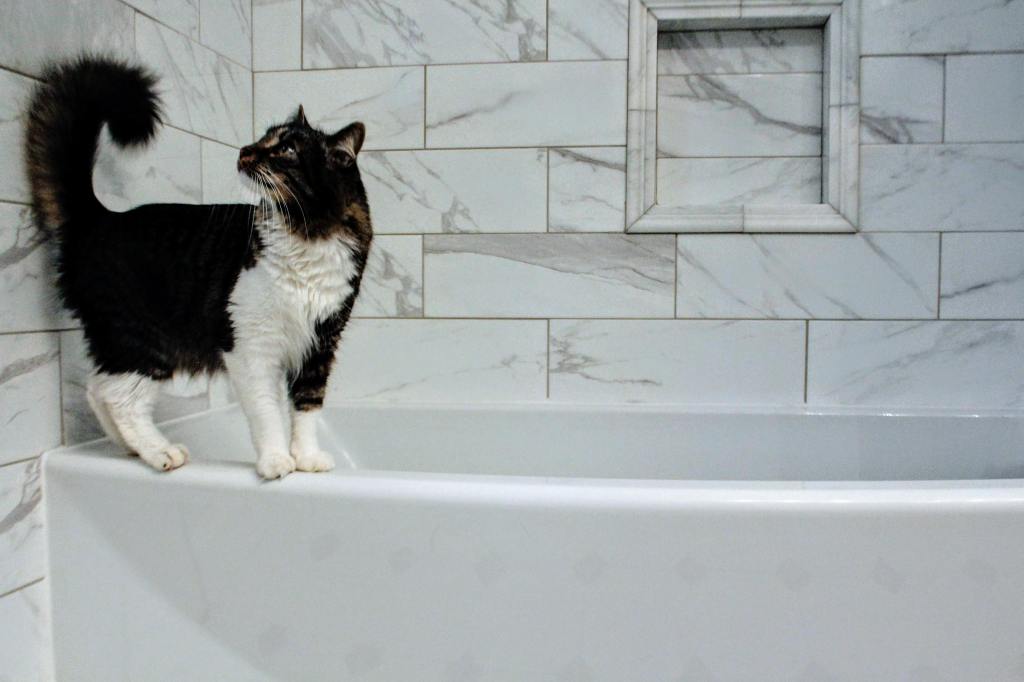
Cats are meticulous animals, and maintaining a clean litter box is crucial for their health, happiness, and overall well-being. A properly maintained litter box not only ensures your cat’s comfort but also helps prevent behavioral issues and litter box aversion. In this guide, we will explore some useful information and tips on how to keep your cat’s litter box clean and inviting.
1. Choose the Right Litter Box:
Selecting the right litter box is the first step to ensuring your cat’s comfort. Consider your cat’s size and age when choosing a litter box. Kittens and senior cats may benefit from boxes with low sides for easy access, while larger cats may require more spacious litter boxes. Covered litter boxes can provide privacy and help contain odors, but some cats may prefer open ones. Ensure the box is big enough for your cat to move around comfortably.
2. Provide the Right Amount of Litter:
Proper litter depth is essential for your cat’s comfort and litter box maintenance. Fill the litter box with around 2 to 3 inches of litter. Too little litter might lead to tracking and messy accidents, while too much can be wasteful and make scooping difficult.
3. Scoop Regularly:
The key to a clean litter box is regular scooping. Cats prefer a clean environment and may avoid using a dirty litter box. Scoop waste and clumps at least once or twice a day, depending on the number of cats you have. Invest in a good-quality litter scoop to make the task more efficient. Disposable litter box liners may seem convenient, but some cats may dislike them, leading to litter box aversion.
4. Clean and Replace Litter Regularly:
Even with regular scooping, it’s important to completely empty the litter box and give it a thorough cleaning every few weeks. Use mild, unscented soap and water to clean the box, as strong odors from cleaners may deter your cat. Replace the litter with a fresh batch after cleaning. If you notice any signs of wear or damage in the litter box, consider replacing it to maintain a hygienic environment.
5. Address Odor Control:
While cats are naturally clean animals, litter boxes can produce unpleasant odors. To keep the litter box area smelling fresh, choose a high-quality, low-dust, and odor-controlling litter. Baking soda can also be sprinkled at the bottom of the box before adding litter to help absorb odors. Regular scooping and cleaning will significantly reduce odors.
6. Location Matters:
Place the litter box in a quiet, low-traffic area of your home, away from your cat’s food and water bowls. Cats appreciate privacy when using the litter box, so avoid placing it in busy areas. Additionally, ensure your cat can easily access the litter box, especially for senior cats who may have mobility issues.
7. Consider Multiple Boxes:
If you have multiple cats, it’s essential to have a litter box for each cat, plus an extra one. Some cats prefer to have their own space for elimination, and having multiple boxes can reduce territorial issues and litter box conflicts.
8. Monitor Your Cat’s Behavior:
Pay attention to your cat’s litter box habits. Changes in litter box usage, such as increased frequency of urination, straining, or avoiding the box altogether, could be signs of underlying health problems. In such cases, consult your veterinarian promptly to rule out any medical issues.
Maintaining a cat’s litter box is essential for providing a clean and comfortable environment for your feline companion. Regular scooping, proper cleaning, and choosing the right litter box and litter type will keep your cat happy, promote good litter box habits, and strengthen the bond between you and your feline friend.
 Life in Paws