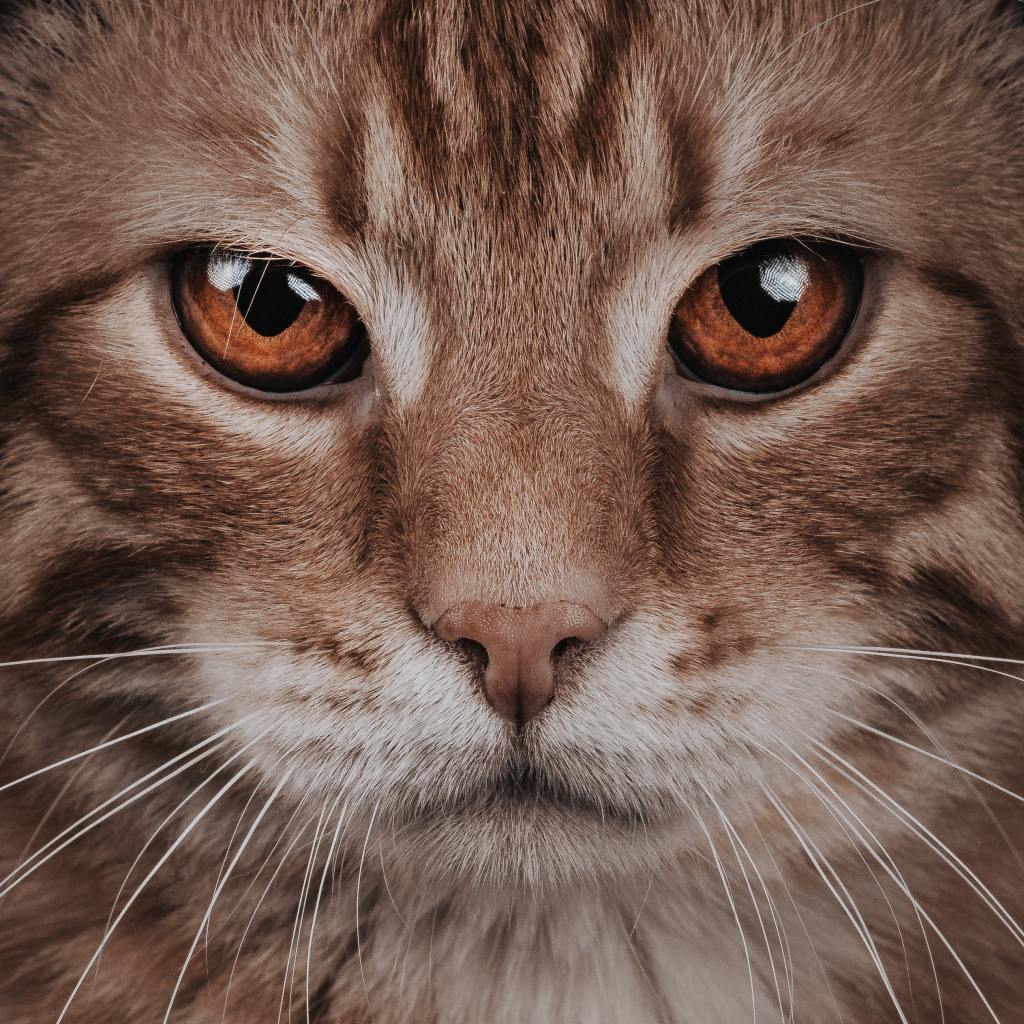
Cats, with their captivating charm and enigmatic behaviors, have fascinated humans for thousands of years. Their journey from wild hunters to domesticated companions is a remarkable tale of adaptation and coexistence. In this article, we will explore the evolutionary path of cats, focusing on how their interactions with humans have shaped their domestication. Additionally, we will delve into the intriguing phenomenon of the “meow” sound and its uncanny resemblance to the frequency of human baby cries.
The Origins of Felis Silvestris
The story of domestic cats begins over 10,000 years ago in the Near East, where their wild ancestor, Felis silvestris, roamed. These early cats were skilled hunters, preying on small mammals and birds. Over time, they started to venture closer to human settlements, attracted by the abundance of food scraps and vermin. This proximity marked the beginning of the human-cat relationship.
The Agricultural Revolution and Early Domestication
With the onset of agriculture, humans settled into permanent communities, creating stable food sources that inadvertently attracted wild cats. As humans stored grains, rats and mice flourished, providing an ample food supply for the opportunistic cats. Observing the benefits of having cats around, humans gradually accepted their presence as natural pest controllers.
Cats, in turn, saw an opportunity for an easy and reliable food source, solidifying their place among humans. This mutualistic relationship laid the foundation for early domestication, with cats slowly transitioning from solitary hunters to animals living in close proximity to humans.
Cats as Symbols of Divine Guardianship
In ancient civilizations such as Egypt, cats began to assume a more prominent role in human society. Egyptians considered cats sacred, associating them with the goddess Bastet, protector of home and hearth. Cats were highly revered and even mummified, reflecting their spiritual significance.
The cultural importance bestowed upon cats in ancient societies fostered their integration into human households, further reinforcing their domestication. The symbolic connection between cats and guardianship became an integral part of their identity, leading to their widespread adoption as companion animals.
The Meow Mystery
One of the most intriguing aspects of cats’ domestication is the evolution of the “meow” sound. Unlike their wild counterparts, domestic cats have developed a unique vocalization specifically designed to communicate with humans. This meowing behavior is not found in adult wild cats, suggesting that it emerged as a result of their interaction with humans.
Research indicates that the meow sound of domestic cats shares similarities with the frequency of human baby cries. This phenomenon is believed to be a form of mimicry or adaptation. As humans cohabited with cats, they responded positively to kitten-like vocalizations, which encouraged cats to continue using meowing as a means of communication.
Socialization and Attachment
The meow sound is not merely a communication tactic; it also serves to strengthen the bond between humans and cats. When cats meow, they elicit a nurturing response from humans, triggering a sense of care and attachment. In response, humans feel more emotionally connected to their feline companions, solidifying the mutual affection that has been central to the human-cat relationship throughout history.
The Modern Domestic Cat
Today, domestic cats have come a long way from their wild ancestors. Their roles have evolved from hunters and pest controllers to cherished companions and emotional support animals. The domestic cat’s adaptability and ability to form deep bonds with humans have contributed to their global popularity as pets.
Cats have also been the subject of scientific interest, with studies shedding light on their unique behaviors and abilities. They possess an uncanny sense of balance, excellent agility, and impressive hunting skills, remnants of their wild ancestry that continue to captivate cat owners worldwide.
Final thoughts
The domestication of cats is a captivating tale of coexistence and mutual benefit. Through their interactions with humans, cats have transitioned from wild hunters to beloved companions, and their unique ability to communicate through the meow sound has further solidified their place in human households.
As our feline friends continue to share our lives, their enigmatic behaviors and intriguing vocalizations continue to fascinate researchers and pet owners alike. The bond between humans and cats is a testament to the power of companionship, transcending time and cultural boundaries, and reaffirming the remarkable journey of the domestic cat from wild hunter to cherished member of the family.
 Life in Paws